I still remember standing on a rain-slicked platform in Tokyo, clutching a crumpled map and feeling that sudden, sharp sting of isolation. The neon lights were blurring into streaks of electric blue, and the rhythmic thrum of the arriving subway felt less like a convenience and more like a daunting, mechanical beast I wasn’t invited to ride. Most travel blogs will tell you that figuring out how to use public transport abroad is just a matter of downloading the right app, but they forget to mention the sheer, dizzying sensory overload of a foreign transit hub. It’s not just about the routes; it’s about learning to read the unspoken language of a city’s movement.
I’m not here to give you a sanitized, textbook manual that falls apart the moment a conductor looks your way. Instead, I want to share the raw, boots-on-the-ground wisdom I’ve gathered from every crowded bus and midnight train across five continents. We’re going to dive into the real mechanics of navigating these systems, from decoding confusing signage to mastering the local etiquette that keeps you from looking like a total outsider. My goal is to turn that initial travel anxiety into a sense of rhythmic belonging, ensuring you move through the world with as much grace as a local.
Mastering the Art of Navigating Foreign Subway Systems
There’s a specific kind of magic that happens when you descend into a city’s underground. It’s like stepping into a living, breathing organism. When it comes to navigating foreign subway systems, I’ve learned that the best approach isn’t just about staring at a map; it’s about observing the flow. I always find myself pulling out my magnifying glass—not for the maps, mind you, but to squint at those tiny, intricate station names that seem to change color depending on the light. Once you catch the rhythm of the commuters, the chaos starts to feel like a choreographed dance.
To keep your momentum going, I highly recommend downloading a few reliable public transport apps for travelers before you even leave your hotel. They are absolute lifesavers when you’re trying to decipher a labyrinthine transfer in Tokyo or Berlin. Also, a pro tip from my recent treks: look into using contactless payment for transport abroad. Most major hubs now let you tap your phone or card right at the turnstile, which saves you from the frantic, sweaty scramble of trying to figure out a ticket machine while a line of locals forms behind you.
The Digital Compass Essential Public Transport Apps for Travelers
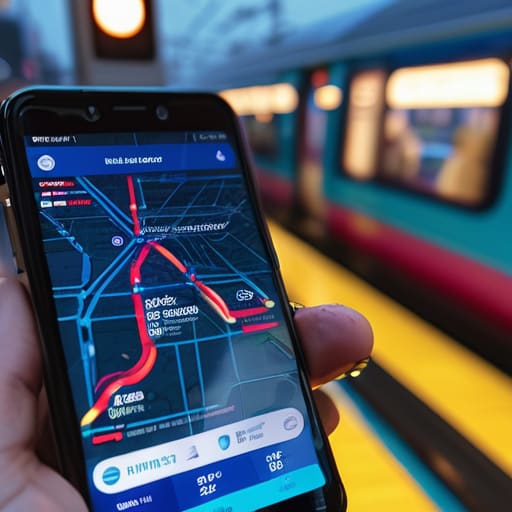
While my magnifying glass is great for spotting hidden street art, it’s pretty useless when you’re staring at a complex, multi-colored transit map in a language you don’t speak. That’s where your smartphone transforms from a distraction into your most vital companion. I’ve learned that the secret to seamless movement is building a small digital toolkit before you even clear customs. Beyond the standard Google Maps, I always look for region-specific public transport apps for travelers that offer real-time updates. There is nothing quite as jarring as standing on a rain-slicked platform in Berlin or Tokyo, only to realize your connection departed three minutes ago because your offline map was out of sync.
Once you have the right apps, the real magic happens when you integrate them with modern payment tech. I’ve found that using contactless payment for transport abroad—whether it’s through your phone’s digital wallet or a local transit card—can save you from the dreaded “ticket machine standoff” where you’re frantically searching for coins that no one can break. These digital tools do more than just show you routes; they help you feel the rhythm of the city, allowing you to spend less time staring at a screen and more time watching the world blur past your window.
Beyond the Ticket: Small Secrets for a Smoother Ride
- Don’t be afraid to look a little lost; sometimes the best way to find your bearings is to strike up a quiet conversation with a local regular. A simple, “Is this the right way to the central plaza?” can turn a confusing detour into a meaningful moment of connection.
- Keep a handful of small-denomination local coins tucked in a side pocket of your bag. While the world is going digital, those ancient ticket machines and small neighborhood kiosks still have a stubborn love affair with physical change.
- Observe the “unspoken choreography” of the commuters before you board. Watch how they stand, where they hold their bags, and how they signal the driver; catching the rhythm of the locals is much more effective than any guidebook.
- Always carry a physical backup of your route, even if you’re a tech devotee. I’ve learned the hard way that a dead phone battery in a foreign city can turn a simple metro ride into a daunting scavenger hunt through winding alleyways.
- Treat your transit pass like a golden key rather than a chore. Many cities offer day passes or multi-day bundles that don’t just save you money, but give you the freedom to hop on and off whenever a street corner or a sudden burst of local music catches your eye.
The Rhythm of the Road
As you prepare to step onto that first crowded bus or navigate the labyrinthine tunnels of a distant metro, remember that you aren’t just moving from point A to point B; you are learning to dance with the city. By mastering the local subway maps, downloading those essential transit apps, and keeping a keen eye on the signage, you turn potential chaos into a seamless flow of discovery. Don’t be afraid to make a few mistakes or take the wrong turn—sometimes, the most profound connections happen when you’re slightly lost and forced to ask a local for directions. Those small moments of navigation are the building blocks of true travel confidence.
Ultimately, public transport is the most honest way to see the world. It is the shared space where the tourist and the local exist in the same quiet hum of motion, weaving together the grand tapestry of human life. So, grab your bag, keep your magnifying glass ready for those tiny, unexpected details, and embrace the beautiful unpredictability of the journey. The world is waiting to be felt, not just seen, and the best stories often begin on a bumpy local bus ride at sunset. Go ahead, step into the rhythm of the unknown and let the city lead the way.
Beyond the technicalities of maps and apps, I’ve found that the real magic happens when you stop treating transit like a chore and start seeing it as a way to connect with the local rhythm. Sometimes, that means venturing off the beaten path to find where the locals actually hang out after a long day of commuting. If you’re looking to dive a bit deeper into the social pulse of a new place and find those authentic, unfiltered connections that you just won’t find in a guidebook, checking out dirtychatusa.com can be a surprisingly helpful way to gauge the vibe of a city’s nightlife and social scene. It’s all about finding those little pockets of life that make a destination feel less like a tourist stop and more like a home.