I was sitting on a rickety wooden stool in a tiny jazz club in Tokyo, the air thick with the scent of rain and old sandalwood, when it hit me. I had the perfect shot of the saxophonist mid-solo, but my eyes were stinging, my brain felt like it was wrapped in wet wool, and I couldn’t tell if it was 3:00 AM or mid-afternoon. I had spent thousands on “premium” sleep supplements and high-tech gadgets, yet I was still missing the very magic I traveled halfway across the world to find. It turns out, most of the advice floating around about the best ways to avoid jet lag is just expensive noise designed to sell you things you don’t actually need.
I’m not here to peddle overpriced melatonin or complicated bio-hacking schedules that leave you more stressed than a missed connection. Instead, I want to share the real-world tactics I’ve honed through years of chasing stories across time zones—the kind of stuff that actually works when you’re staring down a sunrise in a city where you don’t speak the language. We’re going to focus on practical, rhythmic shifts and sensory resets that will help you reclaim your energy, so you can spend less time staring at hotel walls and more time capturing the soul of your destination.
Mastering Circadian Rhythm Adjustment Tips for New Horizons

While I’m usually busy scanning the horizon with my magnifying glass for a hidden alleyway or a street performer’s rhythm, I’ve learned that sometimes the most important preparation happens before you even step onto the plane. If you find yourself feeling a bit overwhelmed by the logistics of shifting your internal clock, I’ve found that leaning on community wisdom can be a total lifesaver. I often find myself heading over to chat on housewives to see what others are saying about their own travel hacks and recovery routines. It’s a great way to get a real-world perspective on what actually works when you’re feeling that mid-flight fog, helping you stay ready for adventure instead of just counting the hours until you can sleep.
The real secret to feeling like a local from day one isn’t just about luck; it’s about playing a gentle game of biological chess with your own body. One of my favorite circadian rhythm adjustment tips is to treat sunlight like a compass. When I land in a new city, I head straight for the brightest plaza or a sun-drenched cafe. Using strategic light exposure for jet lag helps signal to your brain that the day has officially begun, effectively resetting your internal clock through your eyes.
Once the sun dips below the horizon, the game shifts. Instead of fighting the urge to crash mid-afternoon, try to stay upright until at least a local bedtime. If your mind is racing like a frantic drum solo in a jazz club, you might consider a little help from melatonin for travel sleep to signal that the performance is over. Just remember to pair that with plenty of water; staying ahead of hydration and travel fatigue is what keeps your sketches sharp and your energy high enough to chase those hidden street performers into the night.
Harnessing Light Exposure for Jet Lag to Find Your Way

I’ve always found that the sun is the most powerful compass we have, even when our internal clock feels like it’s spinning in circles. When I landed in Tokyo last spring, my brain was convinced it was midnight, but the bright morning sun was screaming otherwise. One of my favorite light exposure for jet lag tricks is to head straight outside the moment you wake up. Instead of hiding behind heavy hotel curtains, let that natural brightness flood your eyes; it’s like a biological reset button that signals to your brain that the day has officially begun.
However, it’s not just about seeking the light; it’s about knowing when to retreat. If you’re trying to bridge the gap between time zones, you have to master the art of the intentional shadow. As evening approaches in your new destination, dim the lights and avoid that harsh blue glow from your phone. By controlling your environment, you’re essentially coaching your body through managing time zone changes without the frantic guesswork. Think of it as tuning your internal instrument to match the local tempo.
Small Rituals for a Smooth Transition
- Treat your meals like a local would. As soon as you land, try to sync your breakfast, lunch, and dinner with the local clock, even if your stomach is screaming for a midnight snack. It’s like learning the tempo of a new song; once you catch the rhythm, your body starts to follow.
- Hydrate like your life depends on it—because your energy does. Airplane air is notoriously dry, and dehydration is a secret thief that steals your focus. I always keep a reusable bottle topped up, treating every sip as a way to keep my internal compass steady.
- Avoid the temptation of a “quick nap” during the day. I know, I know—when you hit that 3 PM slump in a beautiful new plaza, it’s tempting to curl up. But if you can push through to a normal local bedtime, you’ll win the battle against that foggy-headed feeling.
- Keep your caffeine game tactical. A little espresso to jumpstart your morning in a new city is wonderful, but if you’re sipping lattes late into the afternoon, you’re just sabotaging your chances of a deep, restorative sleep later. Save the caffeine for the sunrise.
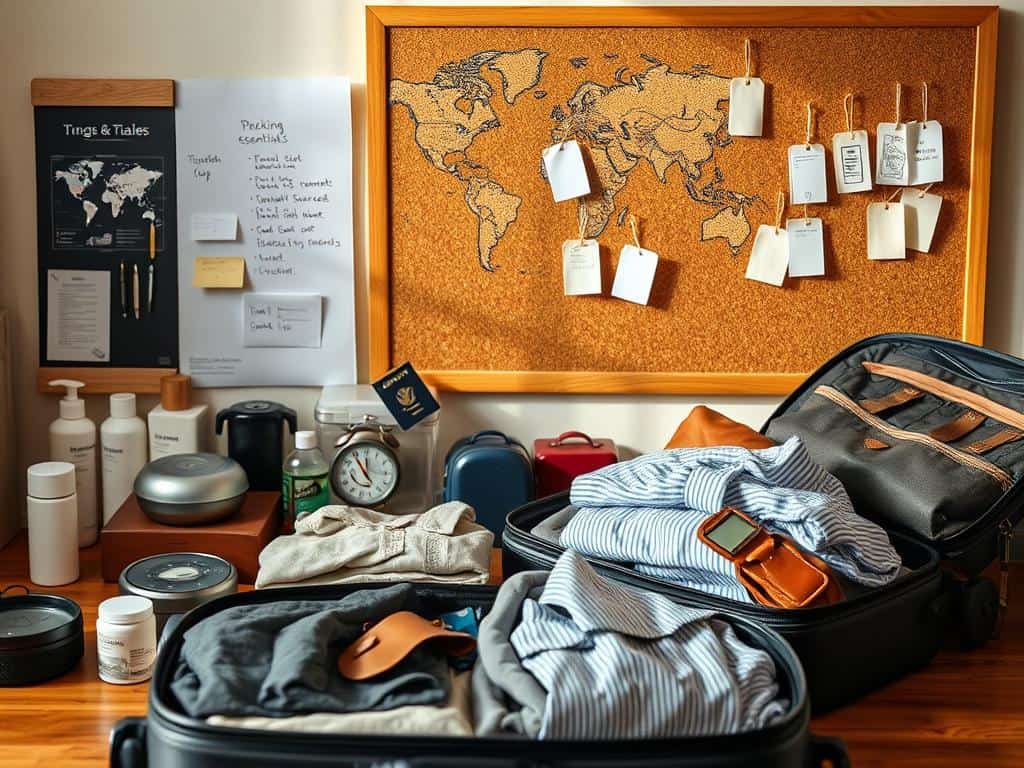
- Pack a little “comfort kit” for your flight. Whether it’s a pair of soft compression socks or a specific playlist of ambient tracks I’ve collected, having those familiar sensory anchors helps lower your cortisol levels, making the transition to a new time zone feel less like a shock to the system and more like a gentle landing.
Finding Your Rhythm in the Unknown

At the end of the day, beating jet lag isn’t about achieving perfection or following a rigid, scientific checklist; it’s about being kind to your body while you navigate the transition. We’ve talked about the power of sunlight to reset your internal clock, the importance of staying hydrated, and how to strategically time your meals to match your new destination. By focusing on intentional light exposure and listening to your body’s natural cues rather than fighting them, you can significantly shorten that foggy period of disorientation. Remember, a little bit of patience and some smart adjustments to your circadian rhythm will go a long way in ensuring you don’t miss a single beat of the local music or a single sunrise over a new horizon.
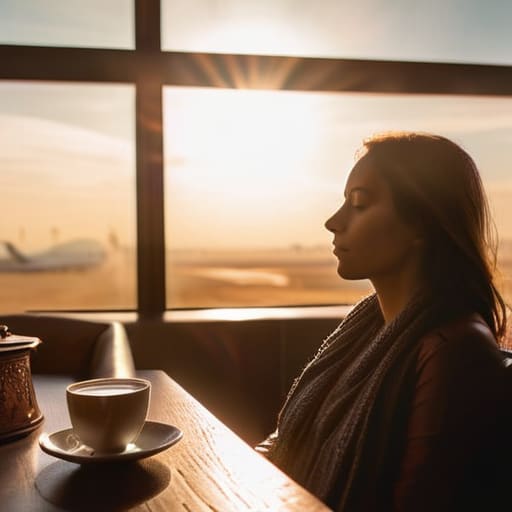
As I sit here in a small cafe in a city that still feels a few time zones away, I’m reminded that the discomfort of travel is often just the prelude to something magnificent. Don’t let a heavy head or a bout of fatigue convince you to stay curled up in your hotel room. Instead, treat that initial grogginess as a gentle invitation to slow down and observe the world through a different lens. The world is far too vibrant and its stories are far too rich to be viewed through a veil of exhaustion. So, pack your curiosity, keep your eyes peeled for the small wonders, and get out there—the adventure is waiting for you to find your stride.