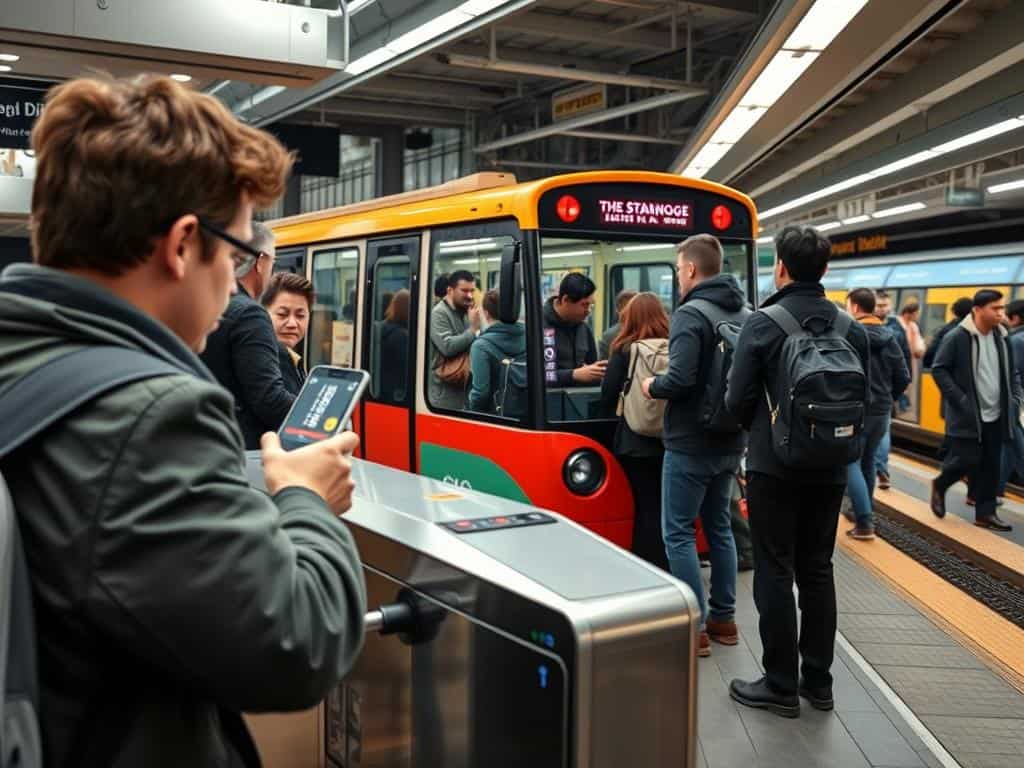
I still remember sitting on a humid, crowded bus in the Andes, my heart hammering against my ribs as I frantically patted my pockets. I wasn’t looking for my camera or my sketchbook; I was looking for my passport. That cold, sinking realization—the moment you think your entire identity has vanished into the thin mountain air—is a feeling no travel guide should ever leave you to face alone. Most people think learning how to manage travel documents safely means buying a bulky, expensive lockbox or obsessing over high-tech security gadgets that just end up weighing down your pack. But after years of chasing stories across borders, I’ve learned that true security isn’t about heavy gear; it’s about smart, intuitive systems that keep your journey moving without the panic.
I’m not here to give you a lecture on bureaucracy or a checklist of things that will bore you to tears. Instead, I want to share the battle-tested, no-nonsense strategies I’ve gathered from years of living out of a backpack. We’re going to dive into how you can protect your paper trails and digital lifelines so that when you’re out there discovering a hidden jazz club in a back alley or sketching a sunset in a new city, the last thing on your mind is a lost folder. Let’s make sure your only focus is the wonder of discovery.
Securing Your Digital Shadow With Secure Cloud Storage
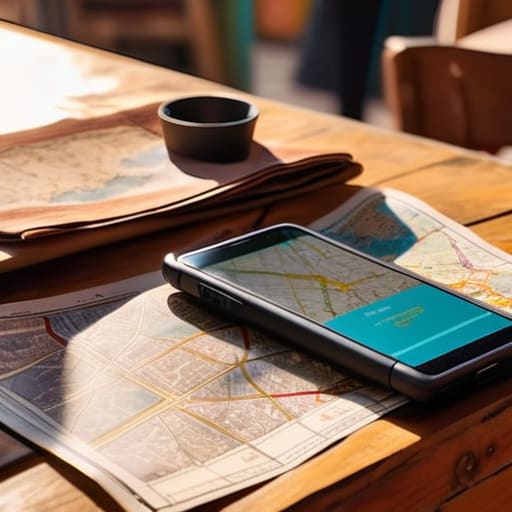
While I love the tactile feel of a worn-out paper map, I’ve learned the hard way that relying solely on physical files is a gamble I’m no longer willing to take. Nowadays, I make sure to create digital copies of my passport and visa before I even step foot in the airport. I upload everything to a password-protected, secure cloud storage service, ensuring my most vital credentials are floating in the ether, ready to be summoned from any device if my backpack goes missing in a crowded bazaar.
Think of this as building a digital safety net for your soul. By utilizing secure cloud storage for travel documents, you aren’t just being organized; you are proactively protecting your identity while traveling through unpredictable territories. I always include a folder with scanned medical records and my emergency contact information for travelers, just in case a sudden detour requires a bit of extra help. It’s about having that invisible backup, allowing you to focus less on the fear of loss and more on the magic of the moment.
The Magic of Keeping Digital Copies of Passport and Visa
There’s a specific kind of adrenaline that hits when you’re navigating a bustling night market in Bangkok or a crowded train station in Berlin. It’s the thrill of the unknown, but it’s also that tiny, nagging voice in the back of your head asking, “Wait, where did I put my folder?” This is exactly why I’ve made it a non-negotiable ritual to keep digital copies of passport and visa tucked away in more than one spot. I like to think of these files as my “invisible backup”—a safety net that exists even if my physical bag decides to go on its own unsanctioned solo journey.
Beyond just the basics, I always take a moment to snap a clear photo of my visa stamps and even my vaccination records. Having these images readily available on my phone isn’t just about convenience; it’s a vital part of protecting identity while traveling. If the unthinkable happens and my bag goes missing, having those digital breadcrumbs allows me to navigate the bureaucracy of an embassy with a lot more grace and a lot less panic. It turns a potential nightmare into a mere logistical hurdle, leaving me more headspace to focus on the stories waiting to be told.
The Traveler’s Toolkit: Five Ways to Keep Your Paper Trails Secure
- Keep a “Shadow Folder” in your luggage. I always tuck a physical set of photocopies—passport, visas, and insurance—into a separate bag from my originals. If my main backpack goes on an unexpected detour, my identity isn’t going with it.
- Treat your credit cards like precious artifacts. Instead of keeping every card in one wallet, split them up. Keep one in your main wallet and another tucked into a hidden pocket of your daypack; it’s a simple way to ensure you’re never truly stranded.
- Master the art of the “Emergency Contact Sheet.” Write down your vital info—emergency numbers, blood type, and embassy addresses—on a physical card. Technology is great until your phone battery dies in the middle of a bustling market in Marrakech.
- Use a slim, RFID-blocking pouch for your most sensitive bits. These little shields act like a digital cloak, preventing anyone from scanning your cards through your pockets while you’re busy sketching the local architecture.
- Lock down your physical originals with a dedicated travel safe or a heavy-duty combination lock. When I’m staying in hostels, I treat my passport like the golden key to my story—it stays locked away until the very moment I need to step through a gate.
The Final Piece of the Puzzle
At the end of the day, managing your documents isn’t about being paranoid; it’s about building a safety net so you can truly let go. We’ve talked about the importance of securing your digital shadow in the cloud, keeping those vital scans of your passport and visas within arm’s reach, and ensuring your physical papers are tucked away from harm. By layering these practical safeguards—from digital backups to smart physical storage—you aren’t just protecting paper and pixels; you are protecting your peace of mind. When you know your “golden keys” are secure, you stop worrying about the “what ifs” and start focusing on the vibrant reality of the world right in front of you.
As I pack my magnifying glass and prepare for my next flight, I’m reminded that the best stories often happen when we step outside our comfort zones. Don’t let the fear of a lost document keep you from the magic of a hidden alleyway in Kyoto or a rhythmic street festival in Rio. Treat your preparation like the foundation of a great painting—get the sketches right, secure the base, and then let your creativity run wild. The world is a vast, beautiful tapestry waiting for you to weave yourself into its fabric. Go out there, stay prepared, and chase those horizons with everything you’ve got.
While I’ve always been a fan of the old-school method—keeping a physical folder of printed copies tucked deep in my backpack—there’s a certain peace of mind that comes with having a reliable way to connect with others when things get unpredictable. Sometimes, navigating the logistics of a new city can feel a bit overwhelming, and having a quick way to find local connections or even just a bit of social distraction can keep your spirits high. If you find yourself needing a little extra way to bridge the gap between solo travel and social connection, checking out something like Sexinatlanta chat can be a surprisingly helpful way to stay grounded and connected to the world around you. It’s all about having those extra layers of support so you can focus on the magic of the journey rather than the stress of the logistics.