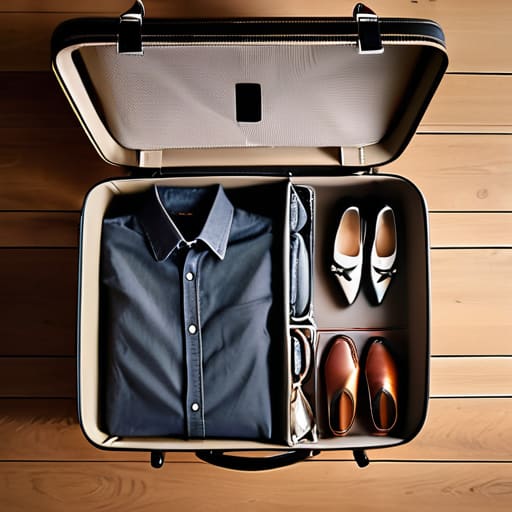
I was standing in a dimly lit terminal in Singapore three years ago, watching a frantic traveler attempt to shove a bulging, overstuffed suitcase into the overhead bin, only to have the zipper fail with a violent, metallic snap. It was a scene of pure logistical chaos—the exact kind of preventable disaster that makes me lose sleep. Most “travel hacks” you see online are nothing more than superficial gimmicks designed to sell you more plastic organizers. They ignore the fundamental reality that knowing how to pack a carry on bag isn’t about following a trend; it is about mastering the art of strategic curation to ensure your transit is as seamless as the destination itself.
I have no interest in offering you a list of twenty “must-have” gadgets that will only serve as dead weight in your luggage. Instead, I am going to provide you with a disciplined framework built on two decades of managing high-stakes international travel. We will focus on the logistical precision required to maintain your standards of comfort and style without the burden of checked baggage. This is not about cramming; it is about intelligence.
Mastering Space Saving Packing Methods With Precision
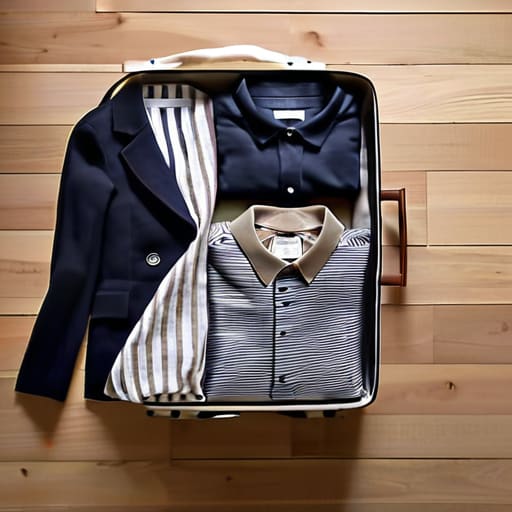
When it comes to maximizing small suitcase space, I have long maintained that efficiency is born from discipline, not luck. The perennial debate of rolling vs folding clothes is often framed as a matter of preference, but from a logistical standpoint, it is a matter of geometry. I prefer the rolling method for knitwear and cotton basics to mitigate creasing and eliminate the dead air that typically accumulates between folded layers. However, for structured items like linen shirts or tailored blazers, a precise fold remains the superior choice to maintain their silhouette.
To truly master the architecture of a carry-on, one must adopt a modular approach. I am a staunch advocate for utilizing packing cubes for travel; they act as the structural scaffolding for your belongings, allowing you to compartmentalize your wardrobe by category and weight. This isn’t just about organization—it is about strategic density. By compressing your soft goods into these uniform modules, you reclaim the precious cubic centimeters required to accommodate the more rigid elements of your kit, such as camera lenses or specialized footwear, without compromising the integrity of the bag.
The Strategic Debate Rolling vs Folding Clothes
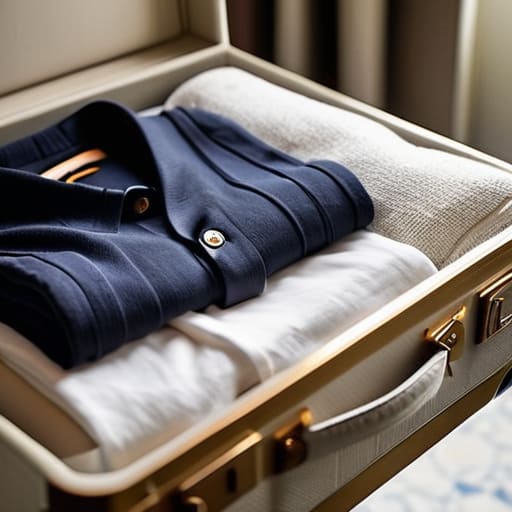
In my years consulting for luxury properties, I’ve observed that the most frequent friction point in a traveler’s journey begins not at the terminal, but at the hotel vanity, where a disorganized suitcase dictates the tempo of the entire trip. The debate of rolling vs folding clothes is often treated as a matter of preference, but in the realm of high-stakes logistics, it is actually a matter of textile management. Rolling is undeniably superior for maximizing small suitcase space and mitigating the dreaded creases in synthetic blends or knits. However, it lacks the structural elegance required for a crisp linen shirt or a structured blazer—items that demand the traditional fold to maintain their silhouette.
To achieve true efficiency, I advocate for a hybrid approach. I utilize packing cubes for travel to create distinct compartments: rolling my casual essentials to save volume, while carefully folding my more formal attire to preserve its integrity. This method transforms your luggage from a chaotic heap into a curated inventory. By treating your suitcase as a modular system rather than a container, you ensure that your arrival is defined by composure rather than the frantic search for a wrinkle-free garment.
The Strategist’s Toolkit: Five Pillars of Carry-On Optimization
- Curate a Modular Wardrobe: I have found that the most efficient travelers don’t pack outfits; they pack a cohesive color palette. By ensuring every piece complements the others, you maximize your sartorial options while minimizing the physical volume required in your luggage.
- Prioritize High-Utility Tech: In my years consulting for luxury groups, I’ve seen how a disorganized tech kit can derail a seamless transit. Invest in high-quality, structured tech organizers to house your cables and peripherals, preventing the chaotic entanglement that often plagues lesser-prepared travelers.
- The Liquid Protocol: Do not leave your toiletry logistics to chance. I recommend utilizing high-end, leak-proof, TSA-compliant canisters rather than relying on flimsy hotel disposables. This maintains both your personal grooming standards and the structural integrity of your belongings.
- Weight Distribution Intelligence: A common mistake is concentrating heavy items in a single compartment. For optimal stability and ease of movement through international terminals, place your densest items—such as camera gear or heavy footwear—near the center and base of the bag to maintain a balanced center of gravity.
- The Essential Document Dossier: Never rely solely on a digital cloud for your critical transit data. I always carry a slim, physical folder containing printed copies of my passport, visa, and hotel confirmations. In the event of a digital failure, this single tactile resource ensures your itinerary remains uninterrupted.
The Final Checklist for Seamless Transit
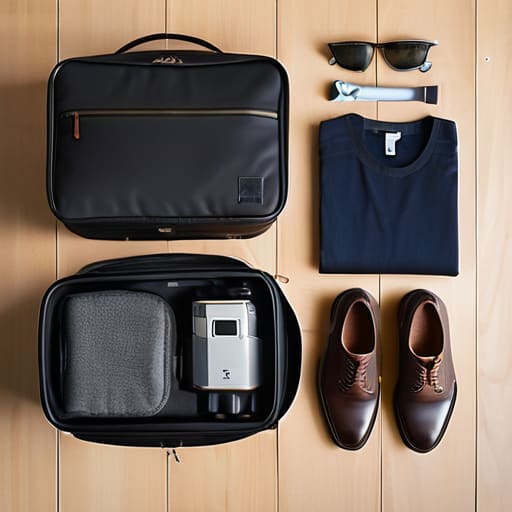
Ultimately, mastering the carry-on is less about the volume of items you can fit and more about the disciplined curation of your essentials. We have dissected the logistical merits of rolling versus folding and explored the tactical advantages of compression techniques to maximize every cubic inch of your luggage. By applying these principles of strategic organization, you transform a chaotic scramble into a highly efficient system that withstands the rigors of international transit. Remember, the goal is not merely to fit your wardrobe into a small vessel, but to ensure that your gear serves your itinerary rather than complicating it.
As you prepare to depart, I encourage you to view your luggage not as a burden, but as a testament to your readiness. There is a profound, quiet confidence that comes from knowing exactly where every item resides, allowing you to move through a terminal with the same composure you bring to a high-stakes boardroom. When you strip away the unnecessary, you leave room for the unexpected—the spontaneous detour, the sudden change in weather, or the unplanned evening at a local bistro. Pack with purpose, travel with precision, and let the true essence of exploration take center stage.
Beyond the mere mechanics of folding, true efficiency lies in anticipating the unpredictable shifts of a journey’s itinerary. I have often found that the most successful travelers are those who prepare for the social nuances of their destination as meticulously as they do their luggage. Whether you are navigating the high-stakes business lounges of London or seeking a more spontaneous connection through an edmonton hookup while on a layover, having a clear mental framework for your local interactions prevents the logistical friction that often ruins a well-planned trip. Ultimately, the goal is to arrive not just organized, but entirely unburdened by the trivialities of the unknown.