I still remember the first time I tried Making Recycled Paper – it was a messy, chaotic experience that left me wondering if it was all worth it. The common myth that making recycled paper is a complicated, time-consuming process had almost deterred me from trying it again. However, I soon discovered that with the right techniques and a bit of patience, creating something new from old waste can be incredibly rewarding. As I delved deeper into the world of recycled paper, I found that it’s not just about reducing waste, but also about unleashing your creativity.
As you read through this guide, you’ll learn the practical steps to turn old newspapers, cardboard, and fabric scraps into unique, handmade paper. I’ll share my personal tips and tricks for Making Recycled Paper that’s both durable and visually appealing. From preparing the pulp to adding natural dyes and textures, I’ll walk you through the entire process, highlighting the common pitfalls to avoid and the best practices to follow. By the end of this article, you’ll be equipped with the knowledge and confidence to start crafting your own recycled paper and explore the endless possibilities of this eco-friendly craft.
Table of Contents
Project Overview
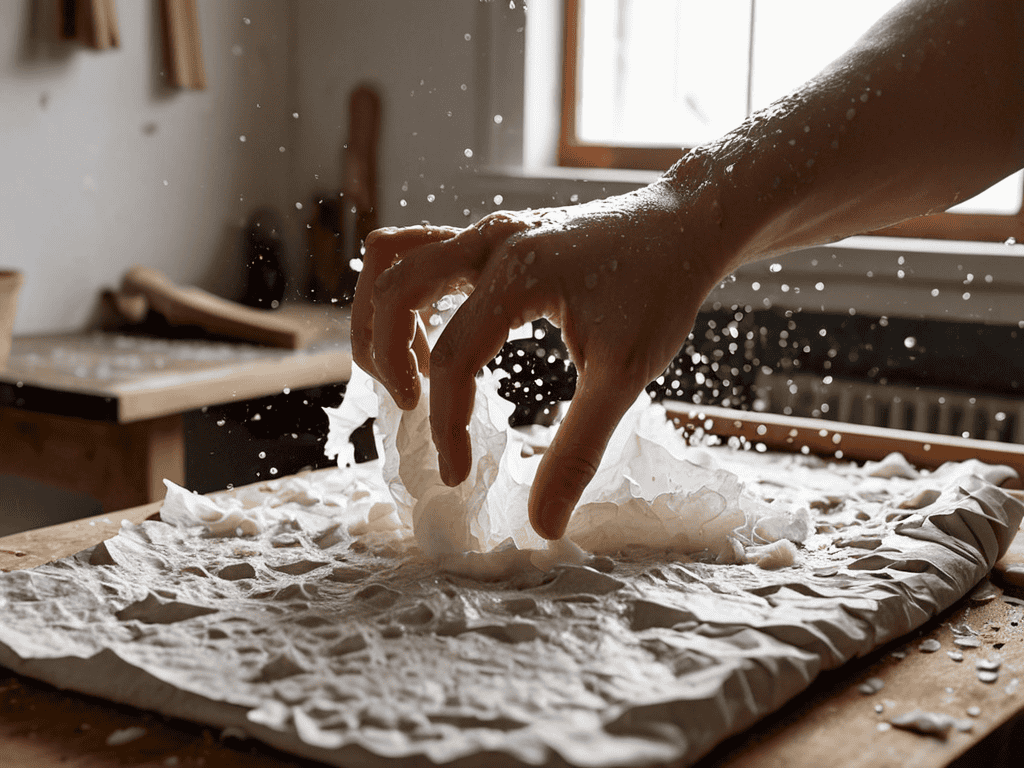
Total Time: 2 hours 30 minutes
Estimated Cost: $10 – $20
Difficulty Level: Easy
Tools Required
- Blender ((for shredding paper into pulp))
- Mixing bucket ((large enough to hold water and pulp))
- Mold and deckle ((a frame with a mesh bottom to shape and squeeze out water))
- Sponge ((for removing excess water))
- Iron ((for drying and flattening the paper))
- Cutting tool ((such as scissors or a craft knife))
Supplies & Materials
- Recycled paper products ((newspaper, cardboard, junk mail, etc.))
- Water ((for soaking and mixing with pulp))
- A binding agent ((such as glue or starch))
- Any desired additives ((such as food coloring, glitter, or leaves for decoration))
- A flat surface ((for drying and flattening the paper, approximately 6 inches by 6 inches or larger))
Step-by-Step Instructions
- 1. First, gather all the necessary materials, which include old newspapers, cardboard, water, a blender, a mixing bucket, a mold and deckle (or a frame with a mesh screen), and a sponge. It’s essential to have a dedicated workspace where you can get messy without worrying about making a mess elsewhere.
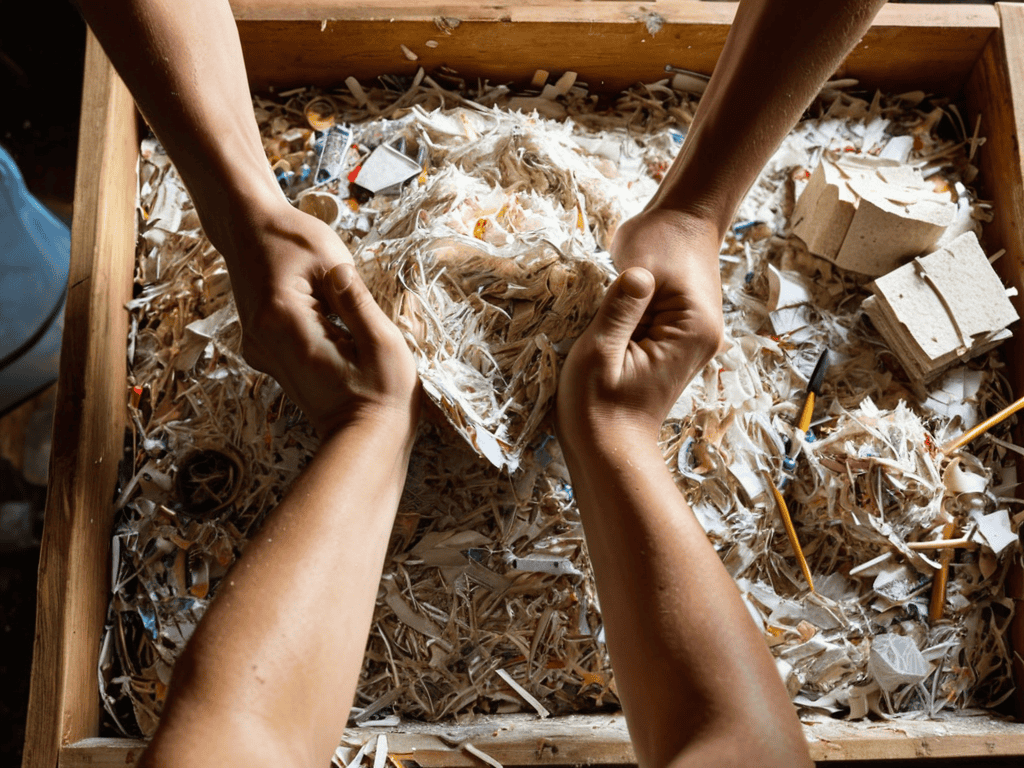
- 2. Next, start by tearing the old newspapers and cardboard into small pieces and soaking them in water for a few hours. This will help to break down the fibers, making it easier to blend them into a pulp. You can also add other recyclable paper products like junk mail or old printer paper to the mix for some extra texture and variety.
- 3. After the paper has soaked, drain the water and add the torn pieces to a blender with some fresh water. Blend the mixture until it becomes a smooth, consistent pulp. Be careful not to over-blend, as this can make the pulp too fine and difficult to work with. You’re aiming for a consistent consistency that’s similar to thin paint.
- 4. Transfer the pulp to the mixing bucket and add any additional ingredients you like, such as food coloring, glitter, or leaves. This is a great opportunity to get creative and make your recycled paper truly unique. Just be sure to mix everything in well, so your additives are evenly distributed throughout the pulp.
- 5. Now it’s time to create the mold and deckle. If you’re using a frame with a mesh screen, simply stretch the screen over the frame and secure it with tape or staples. If you’re using a traditional mold and deckle, make sure it’s clean and dry before proceeding. The mold and deckle will help to give your paper its shape and define its edges.
- 6. Pour the pulp mixture into the mold and deckle, making sure to fill it to the top. Use the sponge to gently press out any excess water and flatten the pulp. You can also use a brayer or a similar tool to help remove any air pockets and ensure the pulp is evenly distributed.
- 7. Allow the water to drain completely, and then carefully lift the mold and deckle to reveal your newly formed sheet of recycled paper. You can then press the paper between two towels or cloths to remove any excess moisture and help it dry flat. Repeat the process to create multiple sheets of paper, and enjoy your handmade, recycled creations.
Making Recycled Paper

As I delve deeper into the world of eco friendly paper products, I’ve discovered that the key to creating unique and sustainable paper lies in the recycled paper production process. By experimenting with different techniques, such as adding natural dyes or textures, you can create one-of-a-kind papers that not only reduce waste but also add a personal touch to your crafts. For instance, you can try using paper recycling techniques at home to create a variety of colors and textures.
One of the most exciting aspects of working with recycled paper is the ability to get creative with natural dyes for paper making. From beets to turmeric, the possibilities are endless, and the resulting papers are not only eco-friendly but also truly unique. By incorporating these natural dyes into your paper-making process, you can add an extra layer of sustainability to your crafts.
As you continue on your journey to create your own recycled paper, you might find yourself looking for more ways to get creative and make the most out of this eco-friendly hobby. I’ve personally found that exploring different types of paper and materials can be a great way to take your crafting to the next level, and there are some amazing resources available online that can provide you with inspiration and guidance. For instance, if you’re looking for a community that shares your passion for sustainable living and creative expression, you might want to check out sextreffen hamburg, which offers a unique perspective on how to make the most out of your free time and connect with like-minded individuals. By exploring new ideas and techniques, you can unlock a world of possibilities and make your recycled paper creations truly one-of-a-kind.
As you continue to explore the world of recycled paper, you’ll find that the possibilities for sustainable paper crafting ideas are vast. From recycled paper pulp molding to creating intricate designs, the key is to experiment and have fun. By embracing the imperfections and uniqueness of recycled paper, you can create truly special pieces that not only reduce waste but also tell a story.
Eco Friendly Paper Crafting Ideas
One of my favorite things about making recycled paper is the endless possibilities for creative expression. You can add all sorts of natural materials like leaves, flowers, and herbs to give your paper unique textures and colors. I also love experimenting with different blending techniques to create one-of-a-kind patterns and designs. It’s amazing how something as simple as recycling old paper can become a fun and artistic activity.
By getting creative with recycled paper crafting, you’re not only reducing waste but also producing beautiful, eco-friendly products that can be used for writing, drawing, or even gift wrapping.
Recycled Paper Production Process
The process of creating recycled paper is quite fascinating. It begins with collecting and sorting various types of paper waste, such as old newspapers, cardboard, and junk mail. These materials are then broken down into pulp, which is mixed with water to create a consistent mixture. This pulp is then screened to remove any impurities, such as glue or plastic fragments, to ensure the resulting paper is of high quality.
As the pulp is formed into sheets, it’s pressed and dried to remove excess water. The resulting recycled paper can be textured, colored, or finished in various ways to suit different needs. This entire process not only reduces waste but also saves trees and water, making it an environmentally friendly alternative to traditional paper production.
Getting Creative with Recycled Paper: 5 Essential Tips
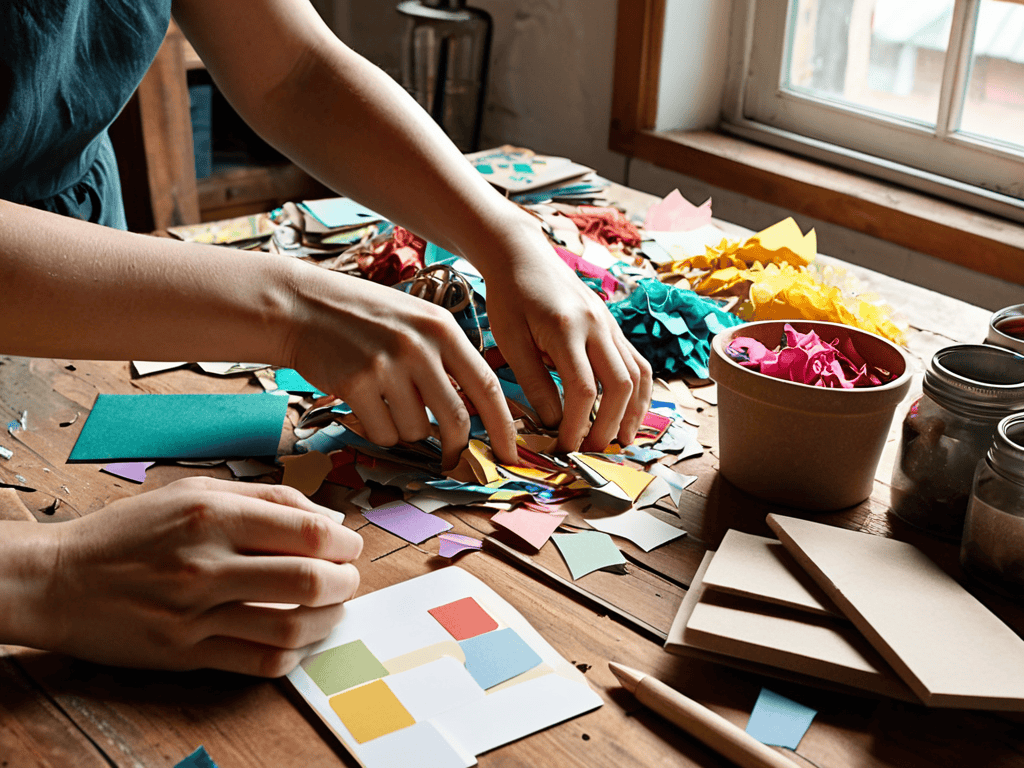
- I always make sure to mix and match different textures and colors of recycled paper to create unique and interesting patterns
- Adding a few drops of essential oils to the pulp can give your handmade paper a beautiful, subtle scent
- One of the most important things I’ve learned is to experiment with different blending times to achieve the perfect consistency
- Using a mold and deckle can help you create uniform sheets of paper, but don’t be afraid to get creative and try out different shapes and sizes
- Incorporating natural materials like leaves, flowers, and seeds into your paper can add an extra layer of depth and visual interest
Key Takeaways from Making Recycled Paper
I can create unique, eco-friendly paper products using recycled materials, reducing my environmental footprint and expressing my creativity
By following a simple process of collecting, blending, and molding recycled materials, I can produce my own recycled paper at home, saving resources and having fun
Making recycled paper is not only a great way to reuse and recycle, but it also offers a range of creative possibilities, from crafting personalized cards to constructing intricate paper sculptures
The Beauty of Transformation
As I watch scraps of old newspaper and cardboard meld into something new and beautiful, I’m reminded that even the most discarded pieces of our lives can be transformed into something worthy of wonder, and that’s the true magic of making recycled paper.
Lily Green
Conclusion
As we’ve explored the world of making recycled paper, it’s clear that this eco-friendly practice is not only good for the environment, but also a fun and creative outlet. From the initial step-by-step instructions to the various eco-friendly paper crafting ideas, we’ve seen how easy it is to turn trash into treasure. By following these simple steps and experimenting with different materials, you can create your own unique recycled paper products and contribute to a more sustainable future.
So, the next time you’re about to throw away an old newspaper or cardboard box, remember the magical process of crafting your own recycled paper. Take a moment to appreciate the beauty of transformation, and the impact that your small actions can have on the planet. By embracing this sustainable practice, you’ll not only be reducing waste, but also inspiring others to join you on this creative and environmentally conscious journey.
Frequently Asked Questions
What are some common materials I can use to make recycled paper at home?
I love experimenting with different materials to create unique recycled paper. You can use old newspaper, cardboard, junk mail, and even fabric scraps like cotton or linen. I also like to add in some natural materials like leaves, flowers, or seeds for extra texture and visual interest. Get creative and see what you can find around the house!
How do I achieve the right consistency and texture for my handmade recycled paper?
To get the perfect consistency and texture, I experiment with blending different ratios of water to pulp. I aim for a mix that’s not too thick, not too thin. If it’s too gloopy, I add a bit more water; if it’s too watery, I add more pulp. I also love adding natural ingredients like leaves or flowers to give my paper unique textures and patterns.
Can I add any natural dyes or embellishments to my recycled paper for a unique look?
Absolutely, you can add natural dyes like beets, turmeric, or coffee to give your paper a unique hue. For embellishments, try adding dried flowers, leaves, or glitter made from recycled materials for a personalized touch. Just remember to experiment with small batches first to ensure the dyes or embellishments don’t affect the paper’s quality.