The first time I tasted my grandmother’s homemade tamales, it was a special moment. The smell of the spices reminded me of my childhood. Those tamales meant more than food; they reflected my Mexican heritage and traditions.
As my family laughed and shared stories, I saw how culture merges with identity. It shapes our beliefs and where we feel we belong. That dinner taught me we reflect the cultural backgrounds we come from. It’s not just about the food. It’s about the values, attitudes, and stories passed down, shaping how we see ourselves and the world.
In this article, we’ll look at how culture influences who we are. We’ll examine important ideas that form our self-view and how we act with others. By learning about the different parts of culture, we can understand ourselves and others better. This knowledge makes us feel more connected in our diverse world.
Key Takeaways
- Culture significantly shapes our identity and personal development.
- Heritage influences emotional responses and social interactions.
- Understanding cultural backgrounds fosters a sense of belonging.
- Cognitive development is often rooted in formative cultural environments.
- Shared experiences and traditions enhance community bonds.
The Iceberg Analogy: Understanding Culture Beneath the Surface
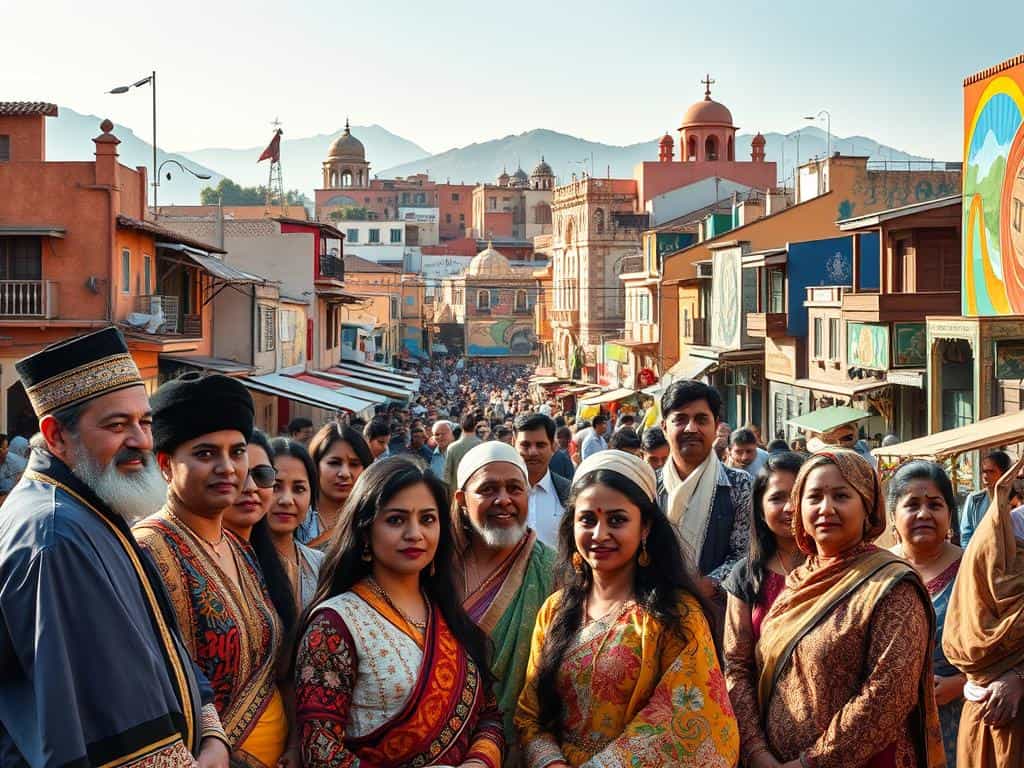
Culture is like an iceberg, with just a small part seen above water. The larger part stays hidden underwater. This analogy shows visible culture includes things like language and clothes. Meanwhile, hidden culture has values and beliefs that guide our lives daily.
Exploring Visible and Hidden Aspects of Culture
Visible culture represents society, but hidden culture affects how we connect with others. Understanding both helps us see how cultural values are in our actions. For example, a simple gesture can mean different things in various cultures. This shows the power of the unseen aspects of culture.
How Values and Attitudes Influence Our Behaviors
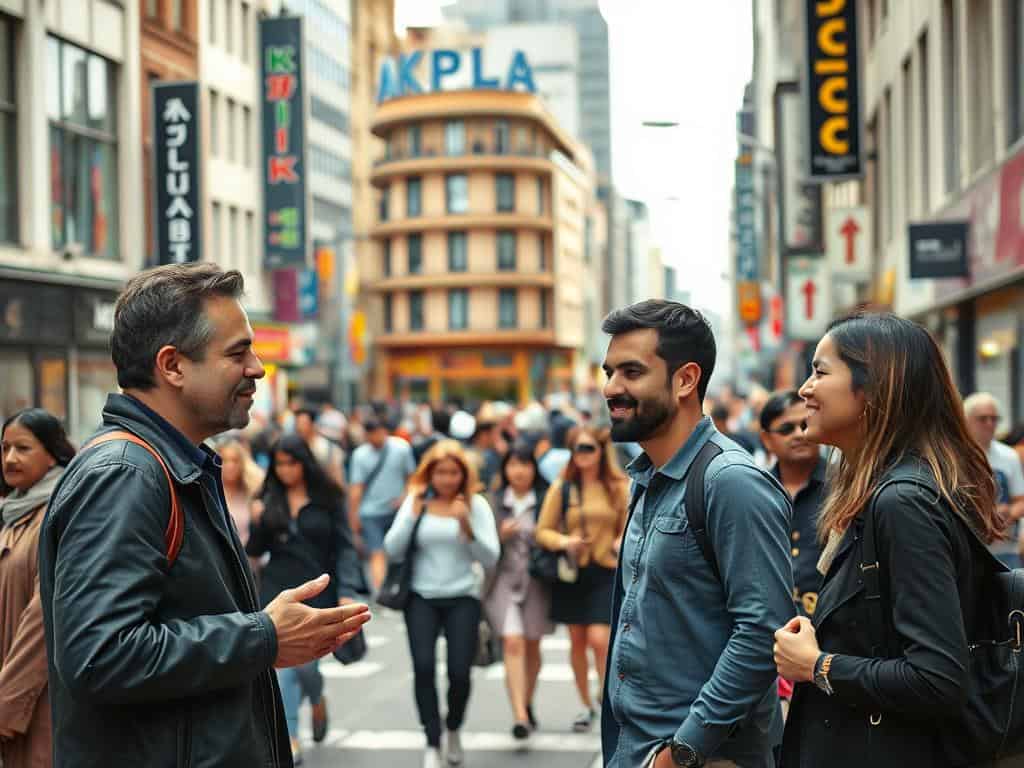
Cultural values and attitudes shape how we act and interact. People from collectivist cultures focus on group harmony. Meanwhile, individualistic cultures value freedom and achievement. This affects how emotions are shown. Latin Americans might express feelings openly, while European Americans might be more reserved.
The Role of Environmental Factors in Shaping Culture
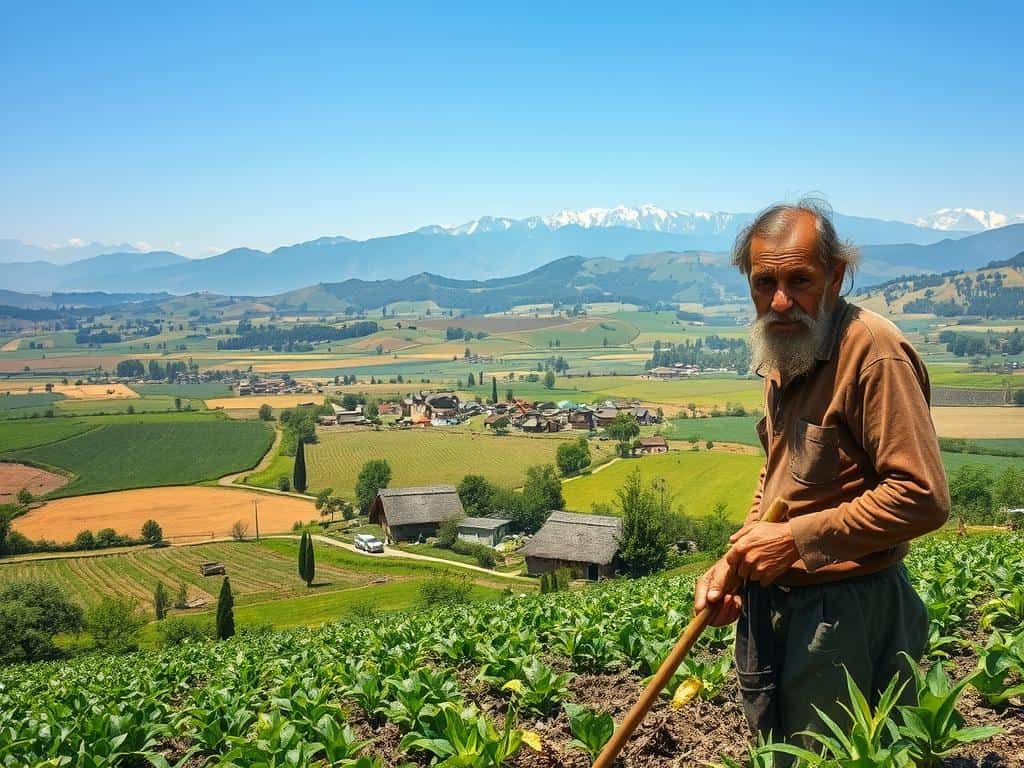
Our environment crucially shapes our culture. The type of farming in an area can influence values. Rice farming promotes teamwork, while wheat farming values independence. About 20% of cultural differences are because of environment. Challenges like COVID-19 show how societies change due to nature’s impact.
Cultural Roots and Their Impact on Personality
It’s key to see how our cultural roots shape who we are, especially when looking at agriculture’s role on values. Studies show a big connection between farming types and personality traits in different cultures. For example, communities that rely on hard farming work often develop a teamwork spirit.
In places where farming is easier, people tend to value being on their own more. This link between farming and values matters a lot, not just in the past, but also today.
The Link Between Agriculture and Cultural Values
I find the tie between farming methods and cultural values fascinating. Different types of farming can show us a lot about a community’s way of life. For instance, working together in farms builds strong bonds and a community feel.
Yet, farming that focuses on solo success leads to a wide range of personality traits. Seeing this connection helps me understand how deep-rooted practices shape our daily lives.
Diversity in Personality Across Different Cultures
Looking into how different cultures shape unique personalities is intriguing. Cognitive science shows us how complex environments bring out diverse personalities. In richer parts of the U.S., for instance, people have more freedom to find out who they are.
This leads me to question my previous ideas about personality growth and the role of cultural settings. It’s a reminder of the complexity of human nature.
Culture and Identity: The Interrelationship Between Self and Society
The difference between interdependent and independent selves tells us a lot about culture and social life. People from interdependent cultures often value their bonds with others a lot. They think being accepted by their community is very important for their self-image. On the other hand, people from independent cultures focus more on personal goals. This focus on doing things for themselves impacts their decisions and paths in life.
Understanding Interdependent vs. Independent Self-Views
The way people see themselves can really change how they handle tough times and show their feelings. In cultures that value togetherness, being part of a group can make people feel like they belong and have responsibilities. I’ve noticed that these people usually look for support from others when challenges come up. But, those with an independent mindset go after personal success. Their quest for achievements can sometimes collide with the group duties that matter to people in interdependent cultures.
The Influence of Worldviews on Personal Development
Culture has a big impact on how we think about growing up and who we are. For instance, in guilt-focused cultures like the US, people form their identity based on rules. They judge themselves by how well they follow these rules. This can make them feel more responsible but also pressures them to fit in.
In cultures that value shame and honor, the group’s image is more important than what one person wants. This shows us how deeply culture affects personal growth and who we become. It’s fascinating to see how our cultural beliefs mix, shaping our place in the world.
Conclusion
Culture and self-identity are closely linked. They shape us and how we interact with the world. The things we do and our values make us who we are.
Understanding where we come from is key. It helps us see how culture shapes our actions and beliefs.
Recognizing the influence of culture in our lives is important. It leads to empathy and respect in our connected world. This understanding is good for us and everyone around us.
The world is mixing more due to globalization. It’s important to understand both culture and identity. This can help us find our way and make our communities better.
By embracing our differences, we can build a kinder society. A society that values everyone’s unique story.