I still remember the biting chill of a Patagonian sunrise, sitting on a jagged ridge with nothing but a lukewarm thermos and a notebook full of half-finished sketches. My pack felt like a lead weight, a chaotic jumble of “just-in-case” gadgets that had turned my dream ascent into a grueling lesson in regret. Most gear guides will try to sell you on the latest high-tech, ultra-expensive nonsense, claiming you need a specialized gadget for every minor inconvenience, but let me tell you: that’s a fast track to a sore back and a heavy heart. When you’re figuring out how to pack for mountain hiking trips, the goal isn’t to own the most gear; it’s to carry exactly what you need to stay present in the moment.
I’m not here to give you a shopping list of overpriced titanium trinkets. Instead, I want to share the stripped-back, intentional approach I’ve honed through years of trekking through unpredictable landscapes. We’re going to dive into a practical, experience-based strategy for layering, weight distribution, and essential curation. My promise to you is simple: no fluff, no hype, just the honest wisdom you need to lighten your load so you can focus on the magic of the climb.
Curating Your Essential Hiking Gear Checklist
As you’re fine-tuning your kit, I always find that the most important thing isn’t just the gear itself, but the mental preparation and the connections we make along the way. Sometimes, when the trail gets long and the solitude of the peaks starts to set in, I find myself craving a bit of human connection or a quick distraction to keep my spirits high before the next ascent. If you ever find yourself needing a little digital companionship or just a way to pass the time while resting your feet, checking out Hornywomen chat can be a surprisingly refreshing way to recharge your social battery. It’s all about finding those little pockets of joy that keep your adventurous heart beating strong, no matter how high the altitude gets.
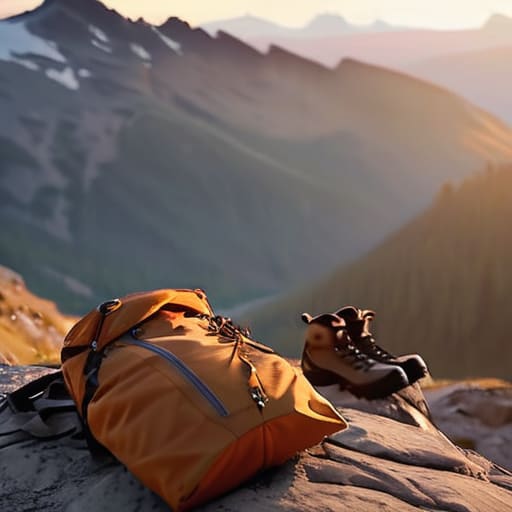
When I’m prepping for a trek, I don’t just toss items into a bag; I curate them like a collection of memories waiting to happen. The secret to a seamless journey lies in your essential hiking gear checklist, which should prioritize versatility over sheer volume. I always start with my foundation: finding the best hiking footwear for rugged terrain is non-negotiable. There is nothing quite as soul-crushing as a blister cutting short a sunset view you’ve been dreaming of for weeks. Your boots are your connection to the earth, so choose a pair that feels like an old friend before you even hit the trail.
Next, we have to talk about the science of the climb. Because mountain weather is notoriously temperamental—shifting from blistering sun to biting frost in a heartbeat—mastering a layering system for mountain weather is your best defense. I like to think of my layers as a living skin: a moisture-wicking base, a warm insulating mid-layer, and a windproof shell. This setup allows you to adapt instantly to the mountain’s moods without feeling weighed down by unnecessary bulk.
Finding Balance With Backpack Weight Management Tips
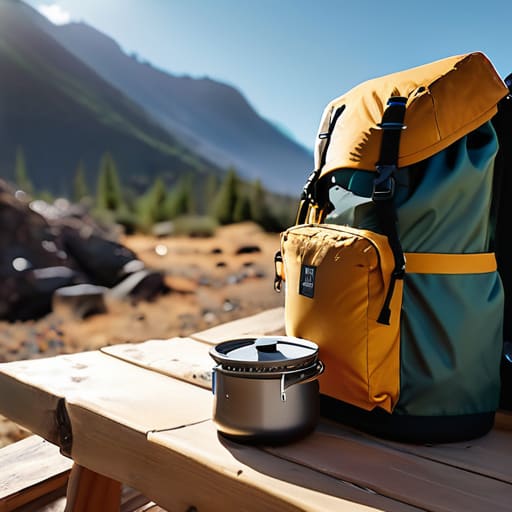
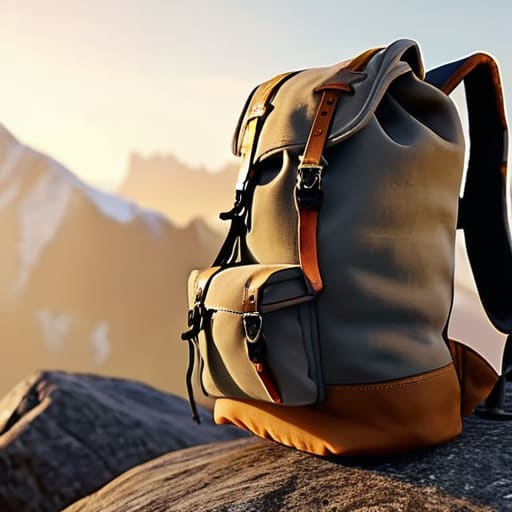
There’s a specific kind of rhythm you find on the trail when your pack feels like an extension of your own body rather than a heavy anchor dragging behind you. I’ve learned the hard way—usually while staring up at a steep switchback in the Andes—that every ounce counts. To master backpack weight management tips, you have to become a ruthless editor of your own belongings. Start by distributing the heaviest items, like your water reservoir or cooking stove, close to your spine and centered in the pack. This keeps your center of gravity stable, preventing that awkward, swaying sensation that can turn a beautiful ascent into a grueling slog.
As you refine your load, don’t forget that efficiency isn’t just about weight; it’s about accessibility. I always keep my emergency survival kit for hikers in a quick-access side pocket, right where I can reach it without dumping my entire life onto the dirt. It’s about finding that sweet spot where you are prepared for the mountain’s whims without being weighed down by “what-ifs.” When you strike that balance, the trail stops feeling like a chore and starts feeling like the dance it was meant to be.
The Art of the Pack: Five Ways to Pack with Purpose
- Layer Your Essentials Like a Story: I always think of my pack in layers, much like a good documentary. Place your heaviest, most substantial items—like my camera kit or a heavy stove—close to your spine and centered in the pack. This keeps your center of gravity stable so you aren’t wobbling like a newborn calf while navigating a narrow ridgeline.
- The “Quick-Access” Ritual: There’s nothing worse than digging through a mountain of gear when a sudden mist rolls in. Keep your rain shell, a small first-aid kit, and my trusty magnifying glass in the top lid or side pockets. You want to be able to grab what you need without turning your entire backpack inside out.
- Protect Your Treasures: Between the sudden mountain downpours and the inevitable accidental dips in a stream, your electronics and dry clothes need a sanctuary. I swear by lightweight dry bags for everything from my spare socks to my recording gear. It’s much easier to organize a colorful collection of dry bags than it is to hunt for a single damp shirt in a dark bag.
- Use the “Small Gaps” Strategy: Don’t let the little things go to waste. I’ve learned that stuffing my extra socks or a lightweight buff into the tiny crevices between larger items can save a surprising amount of space. It’s like finding the perfect melody to fill a silence in a song—it just makes everything feel more complete.
- Pack for the Unexpected Rhythm: Mountains are temperamental; they change their mood faster than a shifting landscape. Always leave a little “breathing room” in your pack for the unexpected—maybe a souvenir stone you found, a local snack you picked up in town, or just extra space for the layers you’ll inevitably need when the sun dips behind the peaks.
The Final Layer: Preparing for the Journey Ahead
As you stand at the threshold of your adventure, remember that packing for the mountains is less about carrying everything you own and more about intentionality. We’ve talked about curating a checklist that respects the terrain, mastering the delicate art of weight management to keep your spirit light, and ensuring your gear is ready to face the unpredictable whims of high-altitude weather. By prioritizing versatile layers and keeping your load balanced, you aren’t just organizing a backpack; you are setting the stage for a seamless connection between yourself and the rugged landscapes waiting to be explored.
At the end of the day, the most important thing you carry isn’t tucked inside your rucksack—it’s the curiosity in your eyes and the openness of your heart. While I always make sure my magnifying glass is tucked safely in a side pocket for those spontaneous little discoveries, don’t let the logistics of gear overshadow the magic of the unknown. The mountains have a way of stripping everything down to what truly matters, leaving you with nothing but the wind, the trail, and a story worth telling. So, tighten those straps, take a deep breath, and go find your own masterpiece written in the clouds.