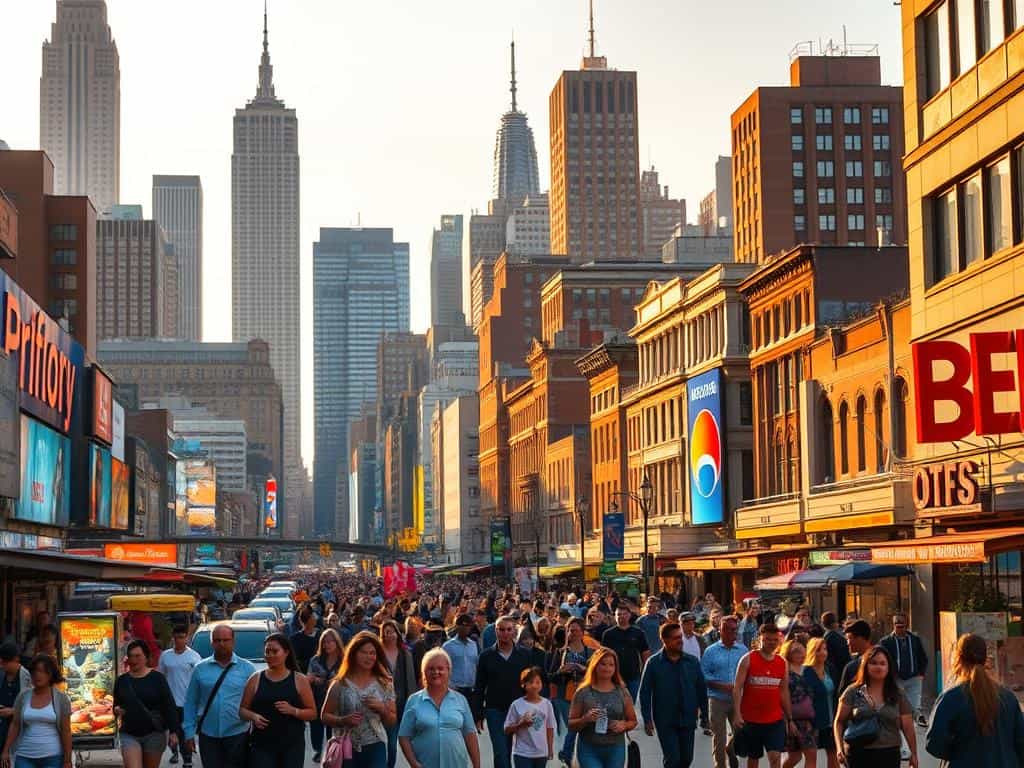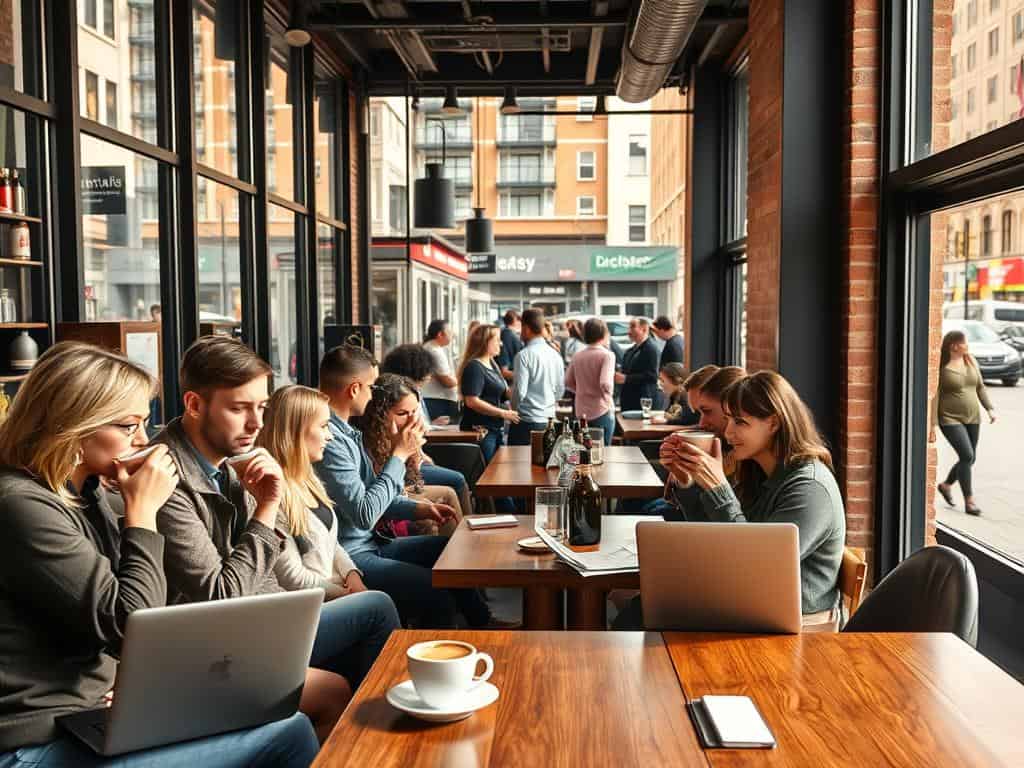
It was a beautiful morning in San Francisco. I stood outside a crowded café, drawn in by the smell of coffee. Inside, a blend of people, from laughing friends to hardworking students, showed the cafe’s appeal. It wasn’t just a place for coffee but a slice of city life. The café is where connections form, reflecting how coffee ties us together in our daily lives. When we step into a café, we see coffee’s journey from a simple drink to a key part of urban culture.
Key Takeaways
- Coffee culture has evolved into an essential aspect of urban lifestyle.
- Cafés serve as hubs for social interaction and community bonding.
- Modern coffee shops reflect current café trends and societal norms.
- Every cup of coffee carries the weight of history and modern ritual.
- The transformation of coffee houses mirrors the evolution of urban society.
- People come together in coffee shops to share experiences and ideas.
The Origins of Coffee and Its Rise in Society
The origins of coffee are full of mystery and steeped in tradition, starting in ancient Ethiopia. The tale begins with a goat herder named Kaldi. He noticed his goats getting very lively after eating coffee cherries. This story points to the amazing coffee discovery, leading to its growth in Yemen, eventually called qahwa.
The Discovery of Coffee
Diving into coffee’s history, what began as simple curiosity turned into a cultural icon. By the 15th century, Middle Eastern coffee culture started booming. Coffee turned into a shared experience. It didn’t just wake people up; it sparked deep talks and friendships, changing how people connected.
The Spread of Coffee to the Middle East and Beyond
Coffee then traveled from Yemen to places like Persia, Egypt, and the Ottoman Empire. This spread led to the creation of coffee houses everywhere, becoming society’s heart. These places allowed people to meet, exchange news, and dive into discussions on politics and literature.
Early Coffee Houses as Social Hubs
These early coffee houses, known as qahveh khaneh, were more than spots to grab coffee; they were crucial social hubs. They let people from all walks of life mix. Reflecting on their impact, they helped form a strong community feeling and cultural sharing, changing city life at its core.
The Evolution of Coffee Houses in Europe
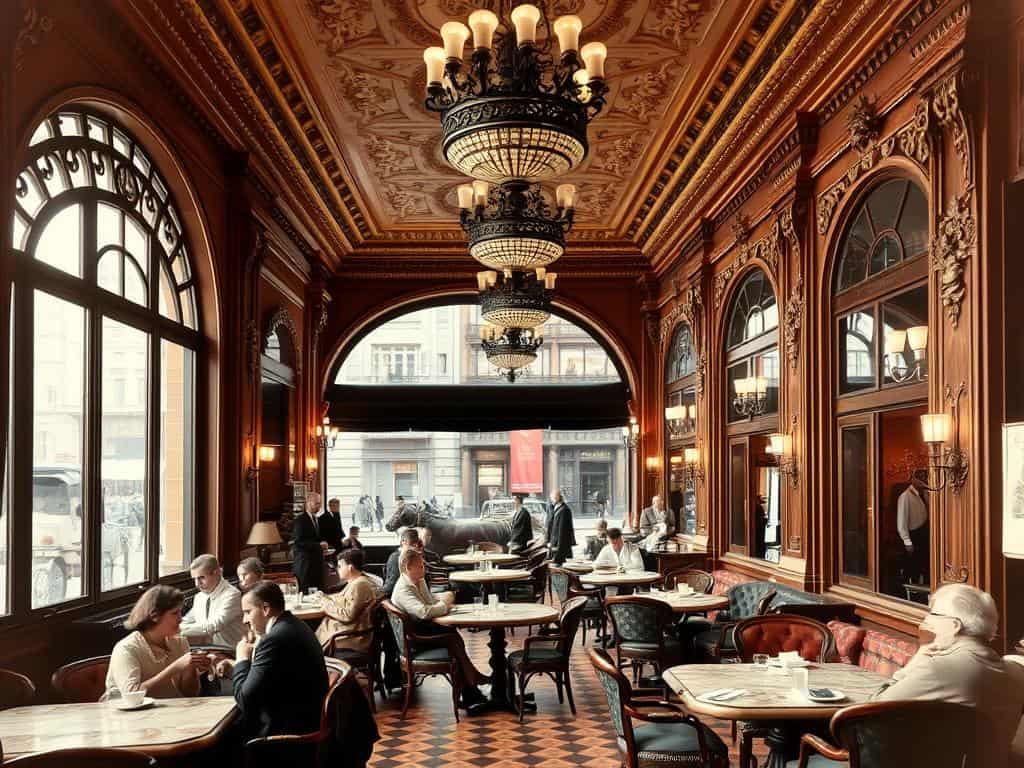
Coffee started changing European culture in the 17th century. Coffee houses became key spots for socializing and discussions. They were important in creating coffee culture in Europe.
Coffee in England: The “Penny Universities”
The first coffee house in England opened in 1652. It was known as “penny universities” because people could learn from conversations there for a small fee. These places were important for discussions on politics, philosophy, and science.
Influence of Coffee Houses on the Enlightenment
Important Enlightenment figures like Voltaire and Rousseau were often seen in these coffee houses. These places helped spread new ideas that challenged old beliefs and promoted reform. The conversations here were crucial in the Enlightenment, showing coffee’s role beyond a beverage.
Coffee Culture as a Center of Urban Life
Coffee houses are key to city life, bringing people together. They’re not just for hanging out but have helped start big social changes. These spots have a long history of sparking discussions and actions in cities around the world.
The Coffee House as a Meeting Place for Social and Political Movements
For years, coffee houses have been where people meet to talk about big issues. They were spots where folks planned actions that led to events like the American Revolution. It’s the place where ideas flow, leading to new ways of thinking and change.
The vibe in these coffee places encourages everyone to share their thoughts. This helps in looking at things from different angles, creating fresh ideas.
Modern Coffee Shops and Urban Lifestyle
Nowadays, coffee shops keep up this tradition in our city centers. They are the go-to spots for creative minds and collaboration, drawing in different kinds of people. These places are like a second home for many, offering a spot to work or chill with friends.
They reflect the hustle and bustle of city life, changing to fit what new generations need. The way these shops are set up shows what city dwellers value and dream about. Coffee plays a big part in bringing people together and building strong communities.
Conclusion
Coffee’s journey is really interesting, touching the hearts of city folks everywhere. It started simple in Ethiopia and grew into a worldwide favorite. It’s all about people coming together, sharing their thoughts, and making friends.
Drinking coffee is more than just waking up; it’s about making connections. Every coffee shop has its own vibe, but they all share one thing: they’re places for creativity and conversation. They’re centers for folks in the city to come together.
Coffee is key to city life, bringing people together and starting conversations. It’s amazing to see how it keeps evolving. Looking ahead, it’s exciting to think about coffee’s future and its role in our world.