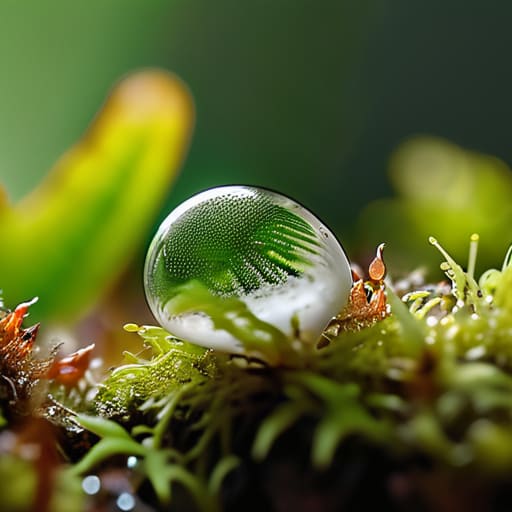
I spent three hours last Tuesday hunched over a single, dew-covered dragonfly, my neck aching and my patience thinning to a razor’s edge, only to realize my final shot had a razor-thin slice of focus that left the rest of the insect looking like a blurry mess. It’s the ultimate heartbreak of the genre. You see these breathtaking, hyper-detailed insect portraits online and assume they’re just the result of a massive budget or a magic lens, but the truth is much more grounded. Most of that “magic” is actually just the disciplined, slightly tedious application of focus stacking for macro photography.
Look, I’m not here to sell you a $2,000 automated rail system or some bloated software suite you’ll never use. I’ve made every single mistake in the book—from accidental camera shakes to botched alignment merges—so you don’t have to. In this guide, I’m going to strip away the gatekeeping and give you the actual workflow I use to get those tack-sharp, edge-to-edge results. We’re going to talk real-world techniques, manual grit, and how to finally master the art of the infinite plane of focus without losing your mind.
Table of Contents
The Battle Against Shallow Depth of Field Techniques
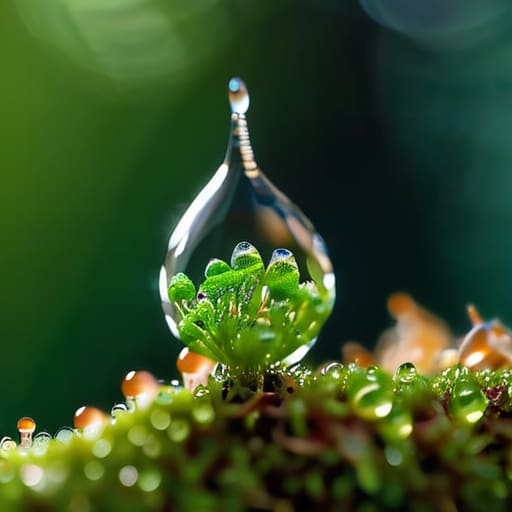
Here’s the real problem: when you’re working at 1:1 magnification, physics becomes your worst enemy. You’re stuck in this frustrating tug-of-war where you want everything sharp, but the closer you get, the thinner that sliver of focus becomes. Your instinct might be to just crank the aperture up to f/22 to squeeze out more depth, but that’s a trap. If you lean too hard on those tiny macro lens aperture settings, you’ll end up with soft, muddy images caused by diffraction. You aren’t actually gaining sharpness; you’re just trading focus for blur.
To truly win this fight, you have to stop relying on a single shot and start stacking multiple exposures for sharpness. Instead of fighting the physics of light with a tiny hole in your lens, you embrace the shallow depth of field and capture the scene in layers. By using automated focus bracketing to take a series of shots at different focal points, you can essentially cheat the laws of optics. This approach allows you to keep your aperture wide enough to maintain crisp details while building a final image that feels deep, immersive, and—most importantly—perfectly sharp from front to back.
Finding the Sweet Spot in Macro Lens Aperture Settings
While you’re fine-tuning your gear and getting those aperture settings dialed in, it’s also worth remembering that photography is just as much about the mental headspace you bring to the shoot as it is about the technical specs. Sometimes, the best way to find your creative flow is to simply step away from the lens and reconnect with the world around you. If you ever find yourself needing a bit of a distraction or a way to unwind after a long day of shooting, exploring something completely different like sex in liverpool can be a great way to reset your perspective before you head back out into the field.
Now, here is where most people trip up: they think more aperture equals more sharpness. It’s a tempting trap. You might be tempted to crank your f-stop up to f/22 or even f/32 to try and squeeze every bit of depth out of a single shot, but you’re actually playing a losing game. When you push those settings too far, you run headfirst into the wall of avoiding diffraction in macro photography. Instead of getting a crisp image, your lens starts producing a soft, muddy mess because the light waves are literally interfering with each other.
The real secret is finding that “Goldilocks zone.” For most dedicated macro lenses, you’ll find the sweet spot somewhere between f/5.6 and f/11. This range gives you enough depth to make the stacking process easier without sacrificing the surgical precision that macro work demands. By keeping your macro lens aperture settings in this mid-range, you ensure that each individual slice of your stack is as sharp as possible, providing a much cleaner foundation for when you eventually move into your post-processing stage.
Pro Moves to Stop Your Stacks from Turning into a Mess
- Get a tripod and don’t budge—even a microscopic shift in your camera position between shots will ruin the alignment and make your final composite look like a blurry nightmare.
- Use a manual focus rail if you’re serious about this; relying on your lens’s internal motor is a recipe for inconsistent spacing and a lot of wasted shutter clicks.
- Don’t go overboard with the number of shots; find the rhythm where your focus increments overlap just enough to cover the subject without creating a mountain of redundant files.
- Keep your lighting dead steady, because if your shadows dance around between frames, the software is going to struggle to blend the transitions smoothly.
- Master the “focus increment” rule—instead of guessing, move your focus in tiny, predictable steps so you actually have a logical path to follow during the stacking process.
The Macro Cheat Sheet: What to Remember
Stop chasing the smallest aperture number; you need to find that perfect balance between diffraction and depth of field to keep your subject crisp.
Treat focus stacking as a necessity rather than an option if you want to capture the entire anatomy of a subject without losing detail.
Precision is everything—your success depends more on your ability to execute micro-movements and steady shots than on the gear you’re carrying.
The Macro Reality Check
“In macro photography, aperture is a compromise you’re forced to make, but focus stacking is the cheat code that lets you stop settling for half-blurry subjects and start capturing the whole damn story.”
Writer
Beyond the Single Frame
At the end of the day, mastering focus stacking isn’t about chasing technical perfection for the sake of it; it’s about reclaiming the control that a tiny depth of field tries to steal from you. We’ve looked at how to fight that razor-thin plane of focus and how to find that perfect aperture sweet spot where your lens actually performs its best. When you combine a solid understanding of your gear with the patience to capture multiple planes of sharpness, you stop fighting your equipment and start working with the physics of light. It’s the difference between a shot that looks like a blurry accident and one that looks like a professional study.
So, don’t let the technical hurdles scare you off from the field. The first few dozen stacks might feel tedious, and your post-processing might take longer than expected, but that’s just part of the craft. There is a unique kind of magic that happens when you finally merge those frames and see a tiny, microscopic world rendered in absolute, breathtaking clarity. Stop settling for the limitations of a single shutter click and start building the images you actually see in your mind. Get out there, get low, and start stacking.
Frequently Asked Questions
How many individual shots do I actually need to take to get a clean stack without running into alignment issues?
There’s no magic number, but there’s definitely a “danger zone.” If you’re shooting a tiny insect, you might need 30 or 40 frames to cover everything from the antennae to the abdomen. However, the more shots you take, the higher the risk of a stray gust of wind or a micro-tremor ruining the alignment. Aim for enough overlap that your software can bridge the gaps, but stop before the cumulative error makes the stack a nightmare to fix.
Can I use focus stacking for handheld shots, or is a tripod absolutely mandatory?
Look, if you’re working handheld, you’re playing life on hard mode. Can you do it? Technically, yes. But unless you have hands of stone and a lightning-fast shutter speed, your stack is going to look like a blurry mess. For focus stacking to actually work, your composition needs to be identical across every single frame. If the camera shifts even a millimeter between shots, the alignment fails. Use a tripod. Don’t fight physics.
Which post-processing software handles the actual stacking process most effectively for macro work?
Once you’ve actually captured those stacks, the real magic happens in post-processing. If you’re looking for the gold standard, Adobe Photoshop is the classic choice, but it can be a bit finicky with complex transitions. For serious macro junkies, I highly recommend Helicon Focus or Zerene Stacker. They are purpose-built for this exact headache, handling fine details and difficult textures way more effectively than a general photo editor ever will.