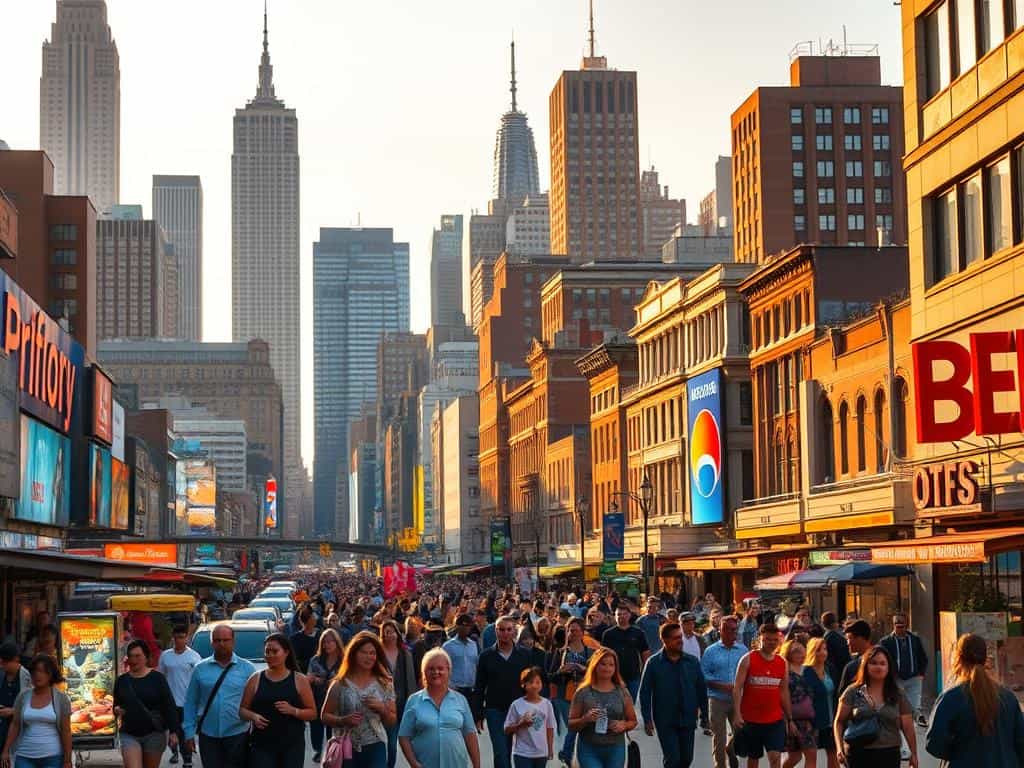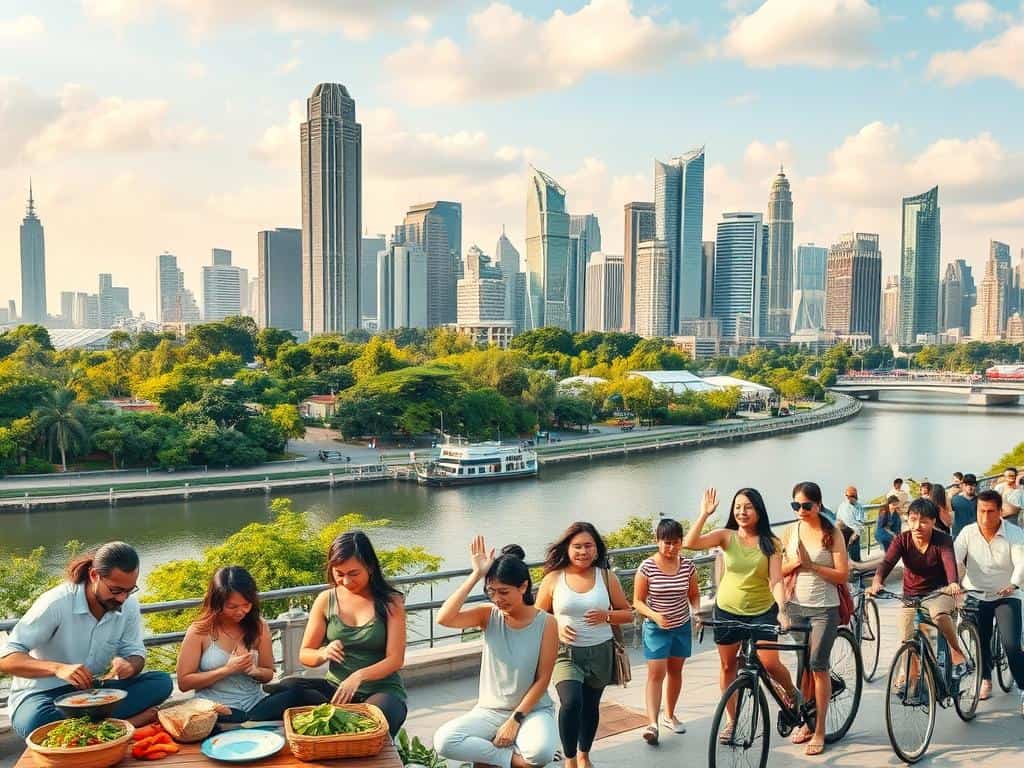
I moved to a new country, expecting an adventure with lots of new things. But I was soon overwhelmed. The sounds and sights were so different, and people talked in a language I barely knew. This was culture shock. I remembered some tips I had read, but they never seemed as important as they did now. Yet, embracing this discomfort helped me grow. Learning to deal with culture shock changed my challenge into a rewarding journey.
Key Takeaways
- Culture shock is a common experience faced by many expats and travelers.
- Adopting adjustment tips can ease the difficulty of cultural transitions.
- Embracing the discomfort can lead to personal growth and new perspectives.
- Preparation and research can help mitigate feelings of disorientation.
- Connecting with the local community can enhance the integration process.
- Practicing mindfulness and self-care is vital during challenging adjustments.
Understanding Culture Shock
Culture shock can unsettle you, especially when traveling abroad. It’s more than just feeling out of place. It includes a range of emotions that affect how you interact with new environments. Knowing about culture shock and its stages helps you deal with adaptation challenges.
Definition of Culture Shock
Culture shock means feeling confused, anxious, and uncomfortable in a new culture. It affects everyone differently. You might feel excited, frustrated, or even angry as you get used to new customs, languages, and ways of life.
Stages of Culture Shock
Knowing the stages of culture shock can prepare you for the emotional journey ahead. The journey often starts with the Honeymoon Stage, filled with joy and wonder. Then comes the Frustration Stage, where you might feel homesick and annoyed.
After that, it’s the Adjustment Stage, where you start to adapt to daily life. Finally, there’s the Acceptance Stage, where you feel comfortable in the new culture. Understanding these stages helps you prepare for the ups and downs of living abroad.
Effective Strategies to Cope with Culture Shock
Dealing with culture shock requires taking action early. I always prepare before my trip to ease into new places. I look into the country’s history, traditions, and culture. This way, I can handle surprises better during my stay abroad.
Preparation and Research
I research a lot about the culture I’m going to experience. I read, watch documentaries, and talk to locals online. This doesn’t just make me ready but also makes my trip richer. Knowing what’s coming makes the shock easier to deal with.
Immerse Yourself in the Community
When I get there, I dive into being part of the community. Being active locally really helps. I go to local events, join clubs, and take cultural classes. Making friends with locals builds understanding and adds to my support system abroad.
Practice Mindfulness and Self-Care
It’s important to handle the big feelings culture shock brings. Using mindfulness, like journaling or apps like Headspace, keeps me level. A self-care routine helps me face challenges and enjoy discovering a new culture.

Conclusion
Dealing with culture shock can feel overwhelming, especially in new places. It’s crucial to understand its nature and stages. This knowledge helps me prepare for the varied experiences ahead.
Using tips like preparing well and connecting with locals helps me face challenges. Practicing mindfulness and self-care keeps me balanced. These strategies help me adjust and develop an appreciation for our diverse world.
Accepting the emotions from culture shock leads to growth. This journey isn’t just an experience; it’s a path to deeper insights and connections. Seeing culture shock as a natural part of travel turns challenges into valuable experiences, enriching my time abroad.