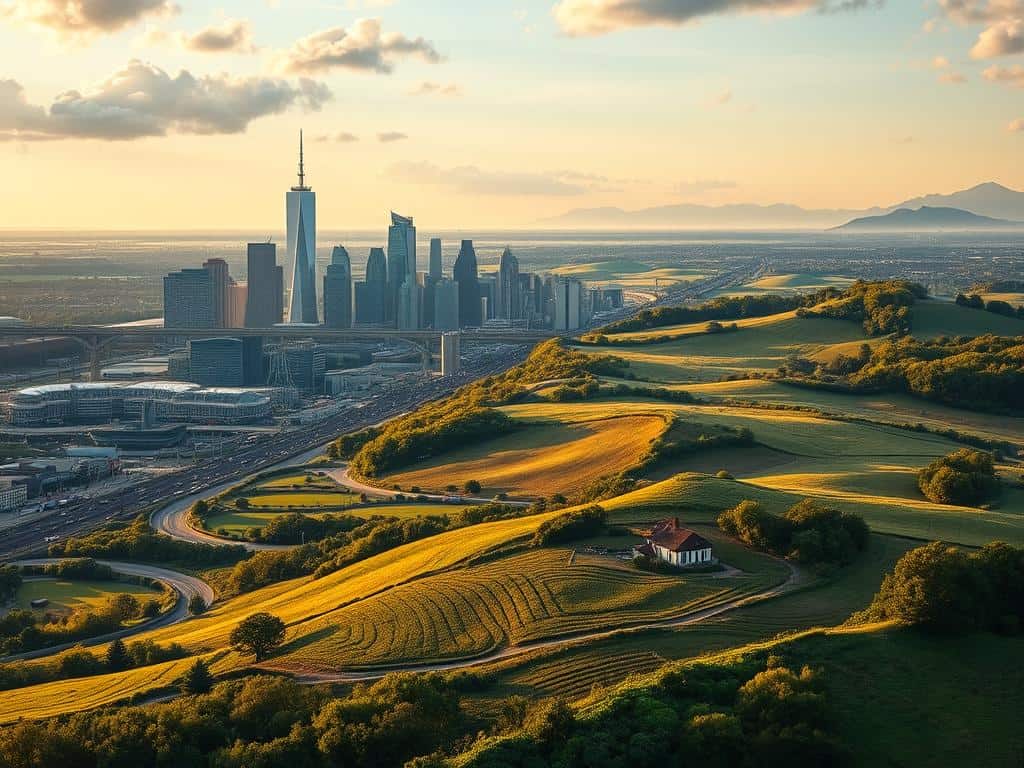
I often reminisce about my small-town childhood. Those long summer afternoons had simple choices: biking with friends or exploring woods. Now, in the city’s hustle, those days feel far away. A Gallup survey found that almost half of U.S. adults want to return to simpler living. This shift towards rural life, especially after the pandemic, makes people wonder if moving is possible for their family. Many are drawn to the calmness, space, and community of the countryside.
Key Takeaways
- Nearly half of U.S. adults desire small town living.
- The pandemic has heightened the appeal of rural areas.
- Rural living offers space, tranquility, and community.
- Shifts in lifestyle preferences are reshaping living choices.
- Country living promotes outdoor activities and well-being.
Changing Mindsets: Embracing Rural Living
The move to the countryside marks a big shift in how I see the world around me. Now, I’m drawn by a deep desire for space and a calm life amidst nature’s beauty. The idea that being in the city is a must for a good life is fading. More and more people are finding out that life in the quiet, with lots of room and open skies, offers so much more than the city can.
Desire for Space and Tranquility
Many shift towards rural life for comfort and tranquility in nature. City life, with its tight spaces, often feels too crowded, making people want to escape. Thanks to jobs that let us work from anywhere, it’s easier than ever to pick a life that puts outdoor adventures and personal health first.
Living in the country means I can spend more time outside with loved ones, surrounded by nature and building a strong community bond. It gives me room to breathe and deeply connect with my environment and neighbors. This choice is a clear break from city struggles, strengthening my decision to seek peace in rural simplicity.
Urban vs. rural life: Cost of Living Factors
Many people are thinking about moving. They need to look at how costs change their choices. Living in the city or the countryside isn’t just about the view. The money matters a lot too. Knowing these differences explains why rural areas are getting popular.
Affordable Housing Options
Rural places offer better deals on homes. City houses cost a lot because everyone wants to live there. So, many share rooms to afford it. But in the countryside, you can get more space for less money. This makes it easier for people to live without worrying about high costs.
Because of this, communities grow stronger. Everyone can have a place to call home. And that makes people feel they belong to something good.
Quality of Life Enhancements
Life can be better in the countryside, thanks to lower costs. People have more free time. They can enjoy hobbies, eat out, and explore nature without spending too much. I’ve seen how living cheaply means you can have fun without stress.
In rural places, life is calm. This calmness lets you build a life filled with joy and less worry.
Impact of Remote Work on Living Choices
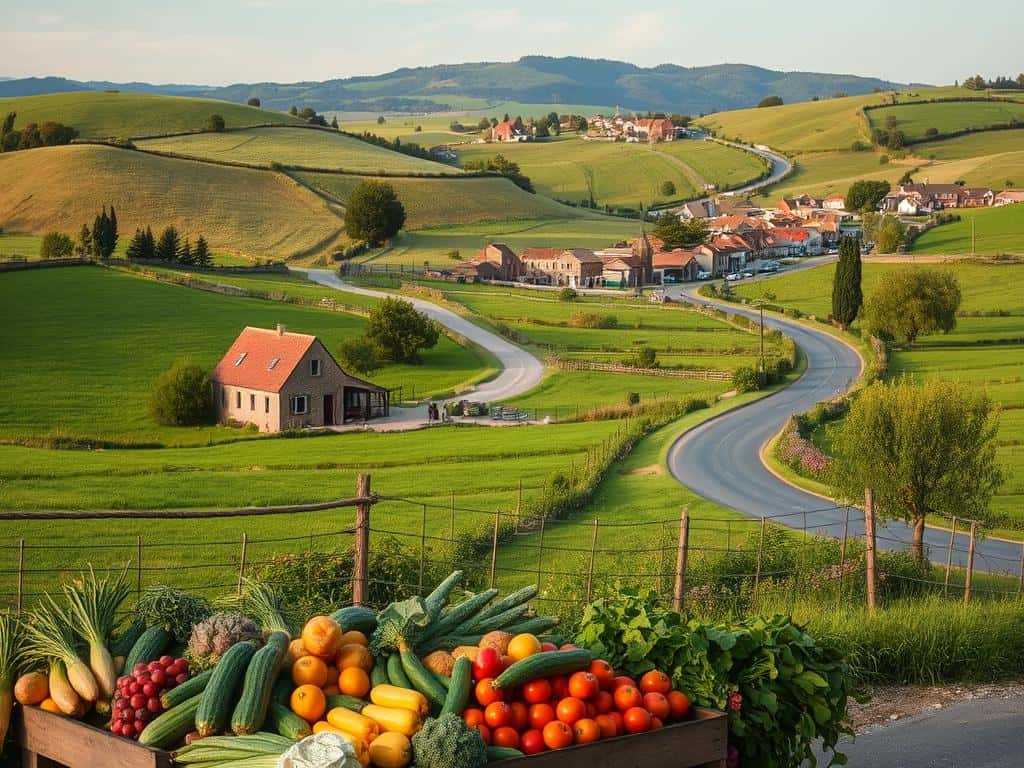
Remote work has changed the way we think about where we live. Now, I can pick a home based on what I want for my life and work. Living in a rural area is now a choice for many, thanks to job flexibility.
Flexibility for Professionals
We can escape busy cities for quieter, more spacious areas. With remote work, balancing my job and personal life is easier. I have the freedom to choose a home that fits my life, without giving up career goals.
Increased Population in Rural Areas
More people are moving to the countryside, looking for a better lifestyle. This shift brings new life to once-ignored areas. Asheville and Boise, with their beautiful scenery and lively communities, are now top choices for those leaving city life behind.
Conclusion
Looking at rural vs. urban living, we see it’s more than economics. It’s a big change in how we choose to live. People want quiet lives, affordability, and community. These are often missing in cities. Understanding the value of rural communities has changed many people’s views, including mine. It shows us a different, slower way of life.
This shift is also driven by remote work. Now, people don’t have to live near their jobs. This freedom lets them focus on a better quality of life. By choosing this, I believe we can build stronger connections and live more fully.
More folks might move to the countryside in the future. Rural living offers cheaper living, more room for families, and a better lifestyle. This move could make our communities stronger. It makes us value our homes more. It’s exciting to see how this will improve our lives.