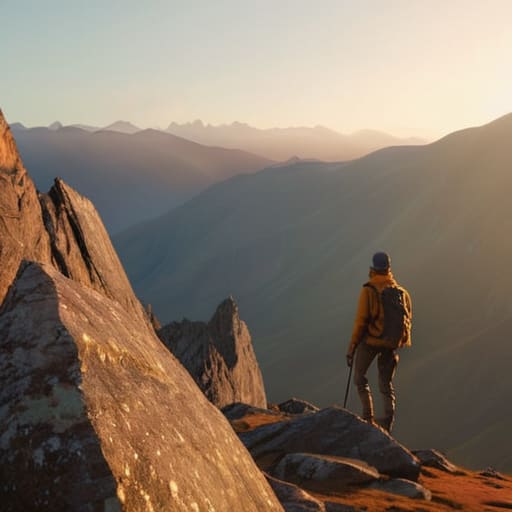
I was sitting on a rickety wooden stool in a sun-drenched plaza in Lisbon, the smell of roasted coffee and salt air thick in the breeze, when I realized my entire itinerary for the month was about to be scrapped. I had spent weeks obsessing over a rigid schedule of museums and monuments, but a twenty-minute chat with a local street musician about the soul of Fado music completely shattered my plans. It’s funny how we try to engineer every second of our lives, yet we often overlook how one conversation can change a week—or even an entire perspective on a country. I learned then that the most profound travel experiences aren’t found in a guidebook, but in the unscripted exchanges that happen when you finally put the map down.
I’ve found that the best way to keep this sense of openness alive isn’t just about the big, sweeping conversations, but about having the right tools to navigate the nuances of a new place. Sometimes, the most profound connections happen when you step slightly off the beaten path and approach a new culture with a sense of intentional curiosity. If you ever feel like you’re hitting a wall when trying to dive deeper into the local rhythm, I always suggest looking into specialized guides that help bridge that gap; you can see for yourself how much a little extra preparation can transform a simple walk into a life-altering encounter.
I’m not here to give you some polished, “influencer” version of how to network or optimize your social life. Instead, I want to share the raw, unvarnished truth about how leaning into human connection can transform your journey from a checklist of sights into a vibrant tapestry of stories. I’ll be sharing the practical, boots-on-the-ground ways you can invite these transformative moments into your own travels, ensuring you find the magic hidden in the margins.
Unlocking the Power of Meaningful Dialogue on Your Journey
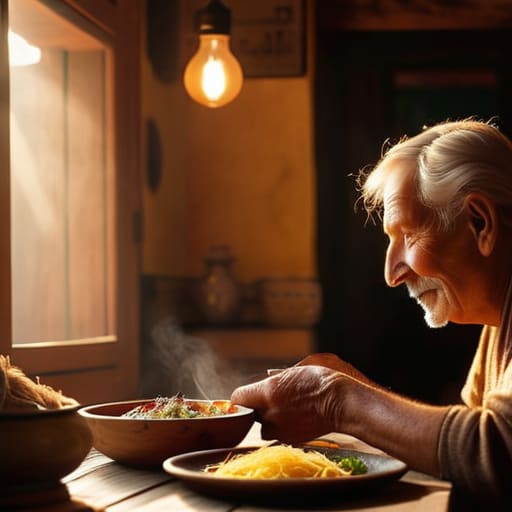
When I’m out in the field, I often find that my best footage doesn’t come from the sweeping mountain vistas, but from the quiet moments spent leaning over a shared plate of tapas or a steaming bowl of noodles. There is a profound power of meaningful dialogue that happens when you stop treating locals like scenery and start treating them like teachers. I’ve learned that when you truly listen—not just waiting for your turn to speak, but actually absorbing the cadence of someone else’s life—you tap into a different kind of frequency. It’s less about the information exchanged and more about the emotional impact of communication that lingers long after you’ve packed your bags.
I like to use my magnifying glass to spot the tiny, overlooked details of a town, but I’ve realized that the most significant details are often found in the gaps between words. Learning how to have impactful talks requires a certain level of vulnerability; you have to be willing to be a little lost to find something real. When you engage deeply, you aren’t just killing time between flights; you are actively improving your weekly mindset through connection, turning a standard itinerary into a living, breathing narrative.
The Psychological Effects of Positive Interaction and Wonder
There’s a specific kind of magic that happens when you stop treating people as mere background characters in your travel itinerary and start seeing them as protagonists. I’ve found that the psychological effects of positive interaction act like a sudden burst of sunlight through a heavy fog. When I’m sketching in a quiet plaza and a local elder stops to share a story about the city’s history, it does more than just fill my notebook; it recalibrates my brain. That single moment of genuine connection triggers a dopamine hit that lingers far longer than any landmark or museum tour ever could.
It’s about more than just a fleeting smile; it’s about the way a brief, soulful exchange can act as a reset button for your internal compass. I often notice that after a particularly deep chat—the kind where you lose track of time—my entire perspective shifts from “observer” to “participant.” By improving my weekly mindset through connection, I find that the mundane challenges of travel, like missed trains or sudden downpours, suddenly feel like small, manageable parts of a much larger, beautiful narrative.
Five Ways to Let a Stranger’s Story Reshape Your Week
- Ditch the headphones for an hour. I know, the curated lo-fi beats are great for navigating transit, but if you keep your ears covered, you’re essentially muting the soundtrack of the city. Leave the earbuds in your bag and let the ambient noise—and the voices within it—become your guide.
- Practice the art of the “gentle follow-up.” When a local tells you their favorite bakery is just around the corner, don’t just nod and move on. Ask them why they love it or what they usually order. Those extra thirty seconds are where the real magic, and the real connection, happens.
- Carry a small physical notebook, not just a phone. There is something about pulling out a pen and paper that signals to the world you are actually paying attention. It invites people to share a thought or a recommendation, turning a fleeting moment into a documented memory.
- Embrace the “unplanned detour” sparked by a tip. If a shopkeeper mentions a hidden courtyard or a street musician playing something soulful, follow that thread. The best parts of my week rarely come from my itinerary; they come from the side streets suggested by a passing conversation.
- Be a listener first and a documentarian second. It’s tempting to start thinking about how to frame a shot or write a caption while someone is speaking, but true connection requires presence. Let their story land with you fully before you try to capture it; the soul of the encounter is in the listening.
The Unseen Threads of Connection
As we’ve explored, a single, unplanned conversation isn’t just a momentary distraction from your itinerary; it’s a profound catalyst for change. Whether it’s a deep dive into local history with a street vendor or a shared laugh over a bad translation, these interactions act as a psychological reset, breaking the monotony of sightseeing and replacing it with genuine human connection. By leaning into these small, vulnerable moments, you shift from being a mere observer to an active participant in the world’s narrative. We’ve seen how these encounters can spark wonder, reshape our mental landscapes, and ultimately transform the entire rhythm of your week from a checklist of landmarks into a collection of living memories.
So, the next time you find yourself sitting at a corner café or waiting for a train, I challenge you to put the guidebook down for a moment. Look up, catch someone’s eye, and ask a question that has nothing to do with the weather. You might just find that the most important part of your journey isn’t the destination on your map, but the unexpected soul you meet along the way. The world is waiting to tell you its secrets; you just have to be willing to listen. Go out there and start the conversation.