I still remember the first time I tried my hand at Recycled Paper Making – it was a messy, chaotic experience, but also incredibly rewarding. The idea that I could transform old scraps of paper into something new and beautiful was exhilarating. However, I soon discovered that many people believe Recycled Paper Making is a complicated, time-consuming process that requires specialized equipment. This couldn’t be further from the truth – with a few simple tools and some patience, anyone can create their own unique, handmade paper.
In this article, I’ll share my personal experience and practical tips on how to get started with Recycled Paper Making. You’ll learn how to collect and prepare the right materials, blend them into a pulp, and shape them into beautiful, one-of-a-kind sheets of paper. I’ll also cover some common mistakes to avoid and provide troubleshooting advice to help you overcome any obstacles you might encounter. By the end of this guide, you’ll be equipped with the knowledge and confidence to start creating your own recycled paper at home, and discover the joy of transforming trash into treasure.
Table of Contents
Project Overview
Total Time: 2 hours 30 minutes
Estimated Cost: $20 – $40
Difficulty Level: Intermediate
Tools Required
- Blender ((for pulverizing paper))
- Mold and deckle ((a frame with a mesh screen, can be homemade))
- Sponge ((for water removal))
- Iron ((for drying and flattening paper))
- Spray bottle ((for water misting))
Supplies & Materials
- Recycled paper products ((old newspapers, cardboard, etc.))
- Water ((for soaking and blending paper))
- A mixing container ((large enough to hold the blended paper mixture))
- A pressing device ((such as a brayer or a similar tool to press out excess water))
- A surface for drying ((such as a flat 4 feet by 4 feet area))
Step-by-Step Instructions
- 1. First, gather all the necessary materials, including old newspapers, cardboard, water, a blender, a mixing bucket, a mold and deckle (which can be a simple frame with a mesh screen), and a sponge. It’s essential to have a dedicated workspace where you can get messy without worrying about making a mess.
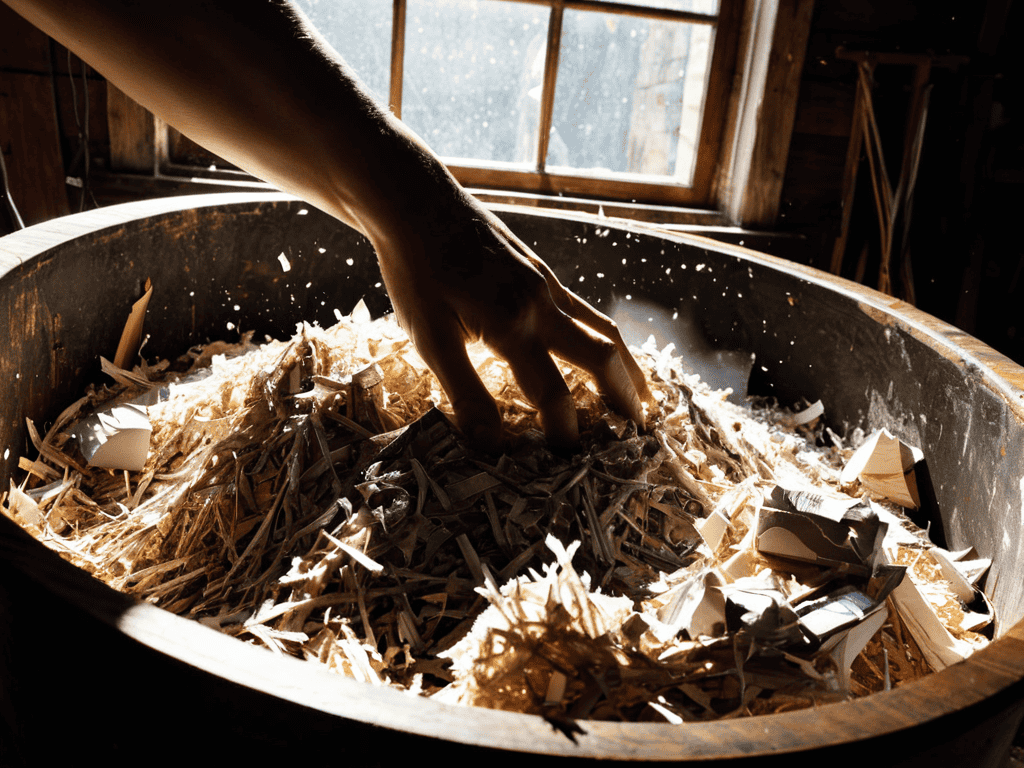
- 2. Next, start by tearing the old newspapers and cardboard into small pieces and soaking them in water for a few hours. This will help to break down the fibers and make them easier to blend. You can also add other natural materials like leaves, flowers, or cotton linters to create unique textures and colors. The key is to experiment and have fun with different combinations.
- 3. After soaking, drain the water and add the mixture to a blender, blending it until it becomes a smooth, pulpy consistency. Be careful not to over-blend, as this can create a mixture that’s too fine and difficult to work with. You want to achieve a consistent texture that’s similar to thick paint.
- 4. Transfer the blended mixture to the mixing bucket and add more water if necessary to achieve the right consistency. You can also add natural dyes, like beets or turmeric, to create different colors. Stir the mixture well and make sure it’s evenly distributed. This is the stage where you can get creative with customizing your paper.
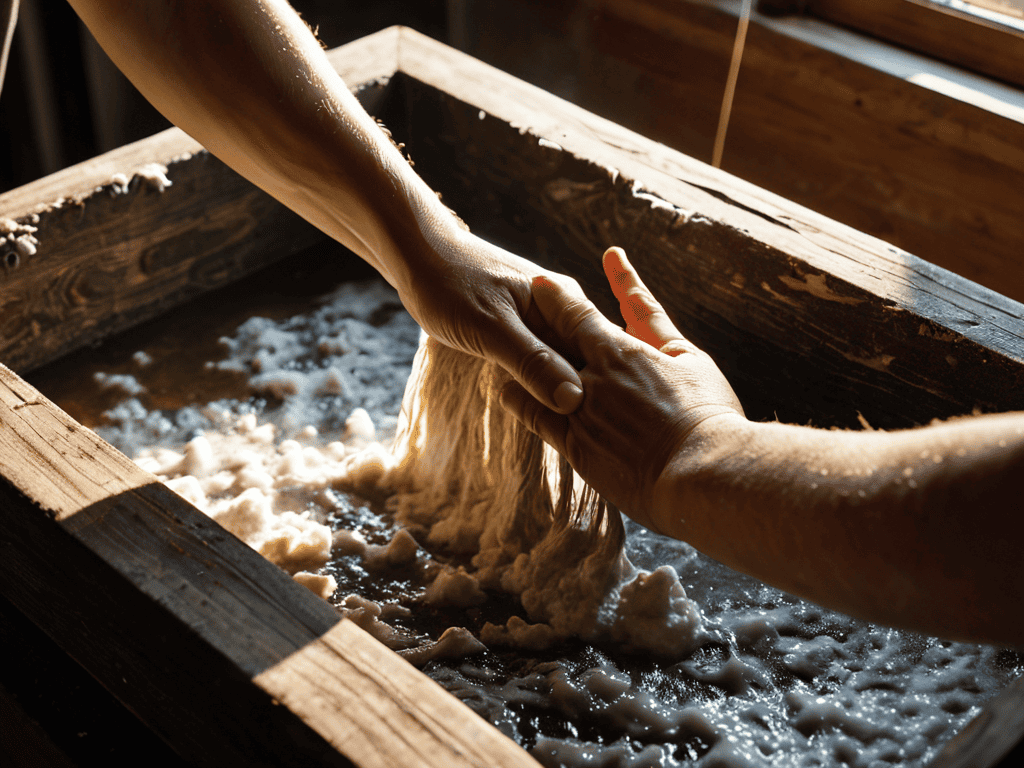
- 5. Prepare the mold and deckle by placing it in a sink or a large container filled with water. Make sure the water level is below the top of the mold. Then, pour the pulp mixture into the mold, spreading it evenly to cover the entire surface. Use the sponge to gently press out any excess water and remove air pockets.
- 6. Allow the mixture to drain and settle for about 10-15 minutes. You’ll start to see the water clear and the pulp begin to bond together. Use the sponge to gently press out any remaining excess water and flatten the surface. This is an important step, as it will determine the final thickness and texture of your paper.
- 7. Once the excess water has been removed, carefully lift the mold and deckle out of the water, and transfer the newly formed paper to a flat surface, like a towel or a sheet of cloth. Use a brayer or a rolling pin to gently press out any remaining water and flatten the paper. You can also add any embellishments, like glitter or stickers, to make your paper truly unique. Finally, allow the paper to dry completely, either air-drying it or using a fan to speed up the process.
Recycled Paper Making

As I delve deeper into the world of eco friendly paper production, I’m fascinated by the unique characteristics of recycled paper. The recycled paper texture is often more rugged and interesting than traditional paper, making it perfect for craft projects and handmade gifts. I love experimenting with different materials and techniques to create one-of-a-kind pieces.
When it comes to adding color to my handmade paper, I prefer using natural dyes for paper to give it a more organic feel. This approach not only reduces waste but also allows me to explore a wide range of earthy tones and hues. By combining recycled materials with natural dyes, I can create truly unique and sustainable paper sources for my projects.
For those interested in trying paper making at home, I recommend starting with simple recipes and experimenting with different ingredients and techniques. With a little practice, you can create beautiful, handmade paper perfect for crafting handmade paper gifts or simply enjoying the process of transforming trash into treasure.
Eco Friendly Paper Production Methods
As I continue to explore the world of recycled paper making, I’ve found that one of the most exciting aspects is the ability to get creative with the materials you use. For instance, you can use old newspaper clippings to add a unique texture to your handmade paper, or experiment with natural dyes to create one-of-a-kind colors. If you’re looking for inspiration or want to connect with like-minded crafty individuals, I’ve found that browsing through personal classified ads can be a great way to discover local workshops, classes, or even just people who share your passion for eco-friendly crafts. By doing so, you can expand your network and learn about new techniques and resources that can help take your recycled paper making to the next level.
When it comes to eco-friendly paper production, recycled paper making is just the beginning. Other methods, such as using plant-based materials like bamboo or hemp, can also significantly reduce the environmental impact. These sustainable materials require less water and pesticides to grow, making them a more environmentally friendly option. Additionally, they can be harvested in as little as three to four months, compared to traditional wood pulp which can take years to mature.
By incorporating these eco-friendly methods into paper production, we can reduce deforestation, conserve water, and decrease greenhouse gas emissions. This not only helps to protect the environment, but also ensures a more sustainable future for the paper industry.
Handmade Paper Gifts From Natural Dyes
I’ve discovered that using natural dyes to color my handmade paper takes the entire process to a whole new level. Not only do I get to create something beautiful and unique, but I also get to experiment with different plants and materials to achieve the perfect hue. For instance, I’ve used turmeric to create a vibrant yellow and indigo plants to produce a range of blues. These naturally dyed papers make for stunning gifts, such as handmade cards, journals, and decorative boxes. By adding this personal touch, I can turn my recycled paper into truly one-of-a-kind presents that showcase my creativity and care for the environment.
5 Essential Tips for Mastering the Art of Recycled Paper Making
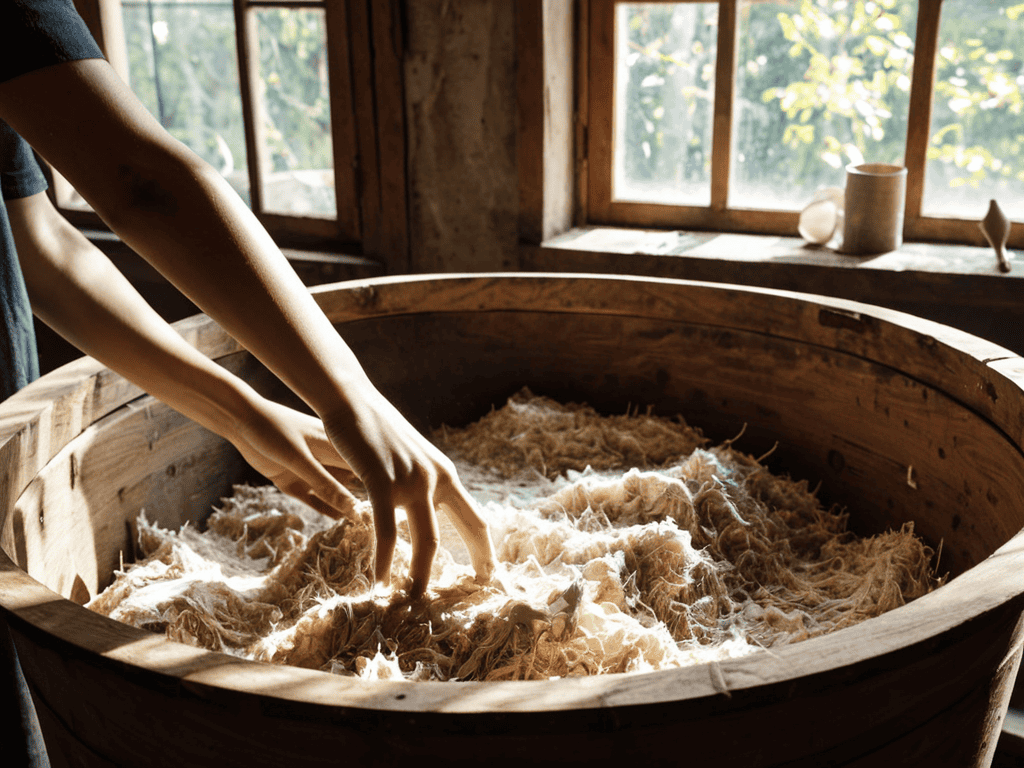
- Start by collecting a variety of recyclable materials like old newspapers, cardboard, and fabric scraps to create unique textures and colors
- Experiment with different blending techniques to achieve the perfect pulp consistency, from smooth and fine to coarse and chunky
- Don’t be afraid to add natural dyes like beets, turmeric, or indigo to create a wide range of earthy tones and hues
- Consider adding embellishments like seeds, leaves, or flowers to give your handmade paper an extra touch of personality and character
- Practice patience and flexibility when working with recycled materials, as the unpredictability of the process can often lead to surprising and beautiful results
Key Takeaways from Our Recycled Paper Making Journey
I’ve discovered that transforming old materials into new paper is not only eco-friendly, but also a therapeutic and creative outlet
By using natural dyes and recycled goods, we can produce unique, handmade gifts that tell a story and reduce waste
Embracing recycled paper making as a hobby or practice can inspire a more sustainable lifestyle and foster a sense of community among like-minded crafters
The Beauty of Transformation
As I watch scraps of old newspapers and cardboard transform into something entirely new, I’m reminded that even the most discarded pieces of our lives can be reborn into something beautiful and meaningful, a true testament to the magic of recycled paper making.
Emily J. Miller
Conclusion
As we’ve explored the world of recycled paper making, it’s clear that this eco-friendly practice offers a multitude of benefits, from reducing waste to promoting sustainability. We’ve delved into the step-by-step process of creating handmade paper, discussed the importance of eco-friendly paper production methods, and even touched on the creative possibilities of using natural dyes to craft unique gifts. By embracing recycled paper making, we not only contribute to a healthier environment but also foster a sense of community and creativity.
As we conclude our journey into the art of recycled paper making, let’s hold onto the magical feeling of transforming trash into treasure. Empowered by knowledge and inspired by the potential of recycled materials, we can make a real difference, one sheet of handmade paper at a time. Whether you’re a seasoned crafter or just starting out, remember that every small action counts, and the joy of creating something with your own hands is a reward in itself.
Frequently Asked Questions
What are some common materials that can be used to make recycled paper?
I just love experimenting with different materials to create unique recycled paper. Some of my favorites include old newspaper, cardboard tubes, fabric scraps, and even coffee filters. I also like to add in some natural ingredients like leaves, flowers, or herbs to give my paper some extra texture and visual interest.
How do I achieve consistent colors and textures when making handmade paper from natural dyes?
To achieve consistent colors and textures, I experiment with different natural dye combinations and track my results. I also make sure to use the same type of fiber and drying methods each time, which helps me predict the outcome and get the desired effect in my handmade paper creations.
Can I use recycled paper made from natural dyes for printing or writing, or is it better suited for craft projects?
I just love using recycled paper made from natural dyes for writing and printing, it adds such a unique touch. While it’s perfect for craft projects, it can also be used for everyday writing or printing, just keep in mind the texture might be a bit rougher than regular paper.